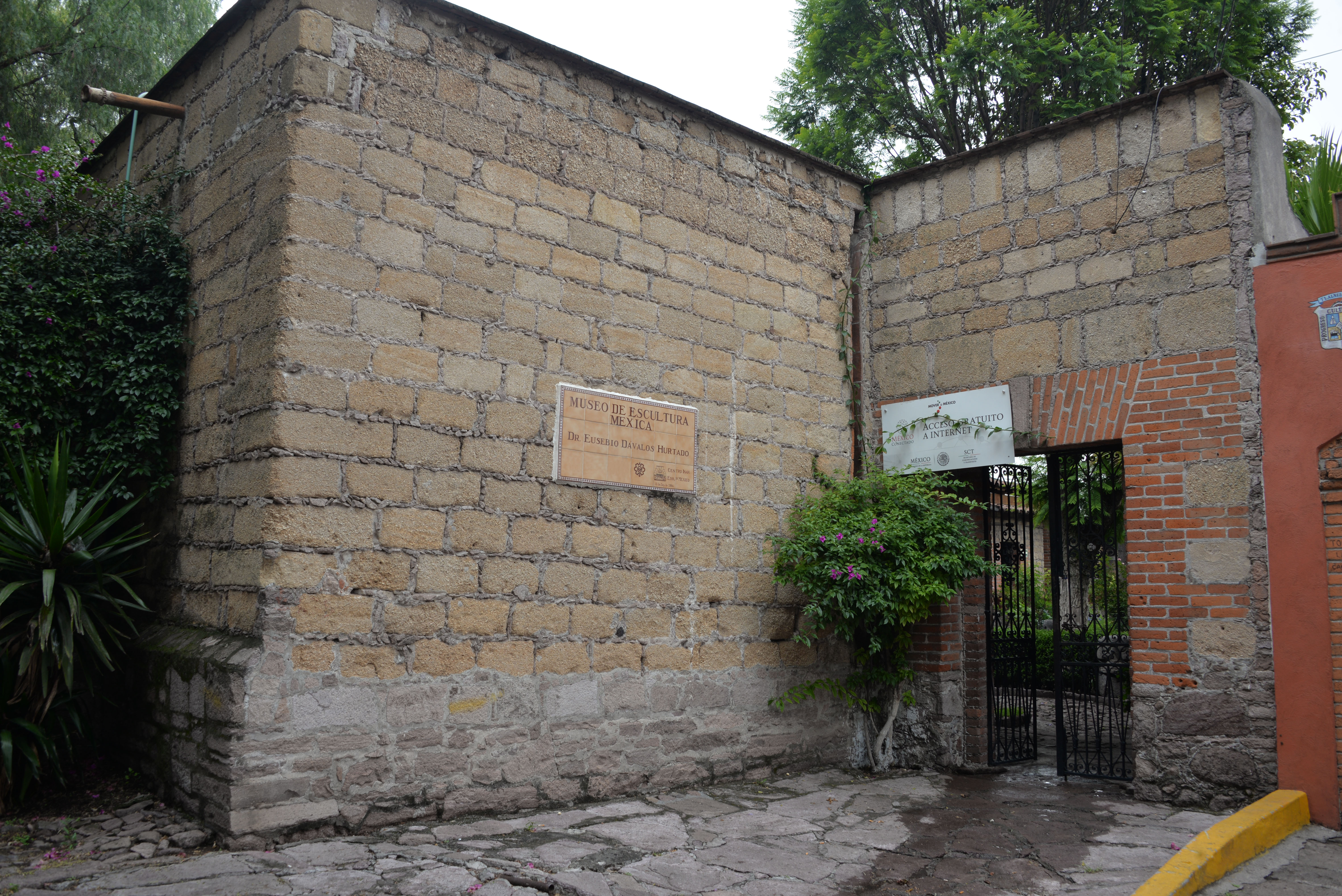







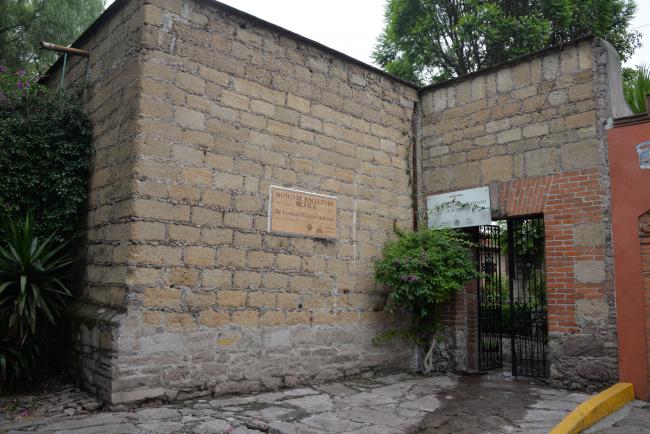


Museo de Sitio Eusebio Dávalos Hurtado
This late-eighteenth-century retreat for the pulque magnates of Tlalnepantla now displays Mexica stone sculptures and pottery depicting nature, men and the gods, all within the setting of a stately residence.
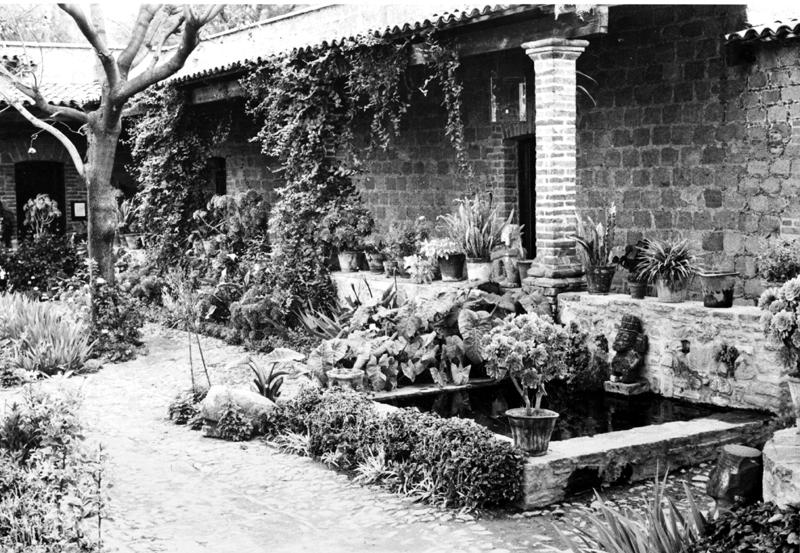
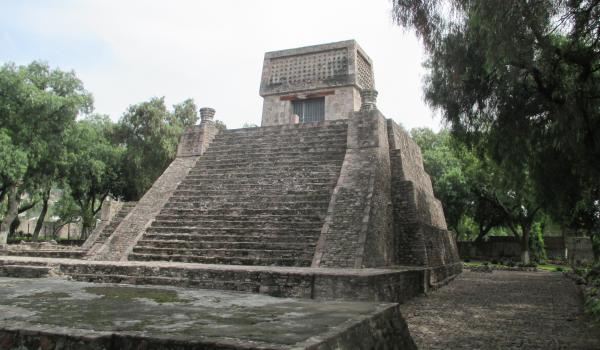
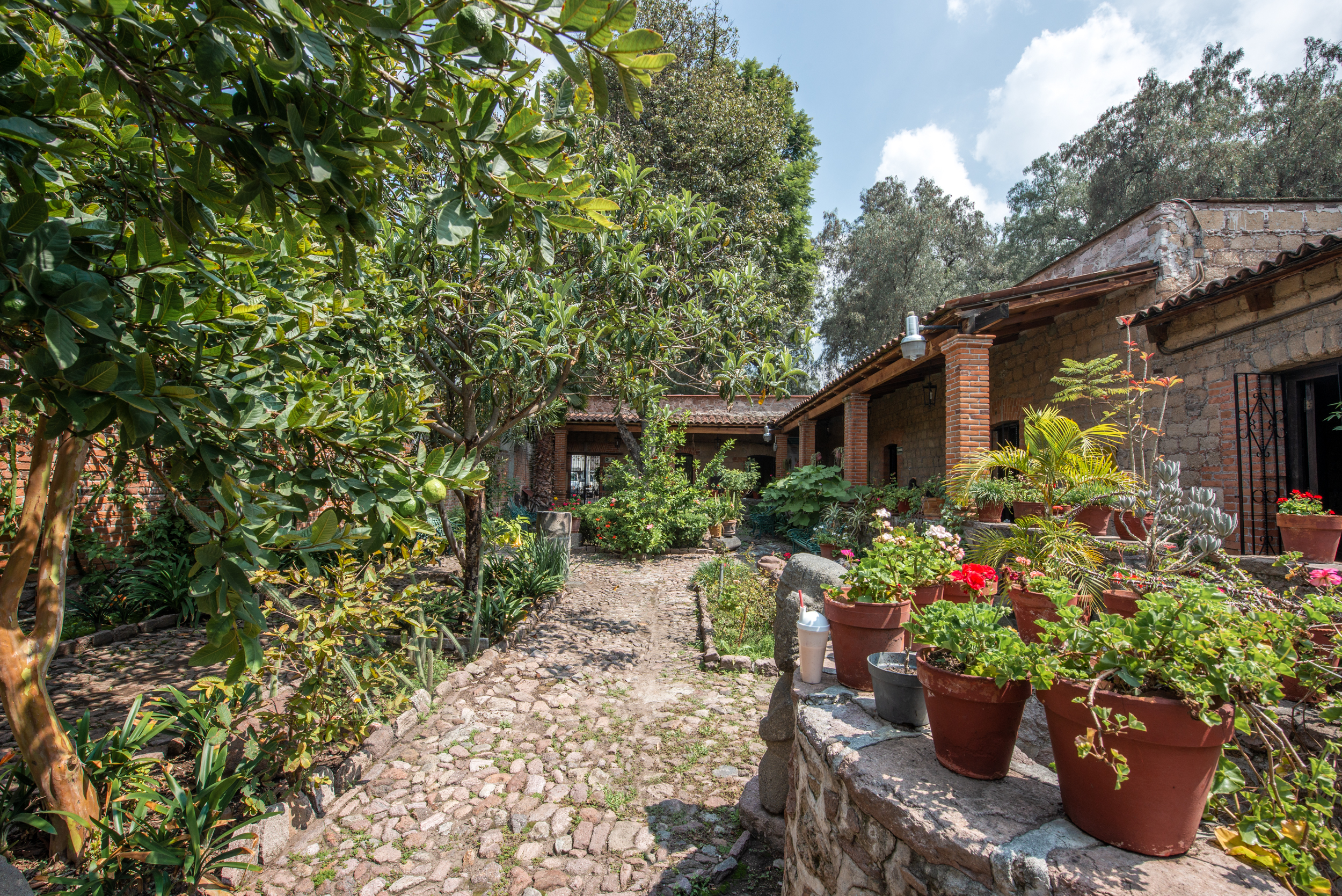
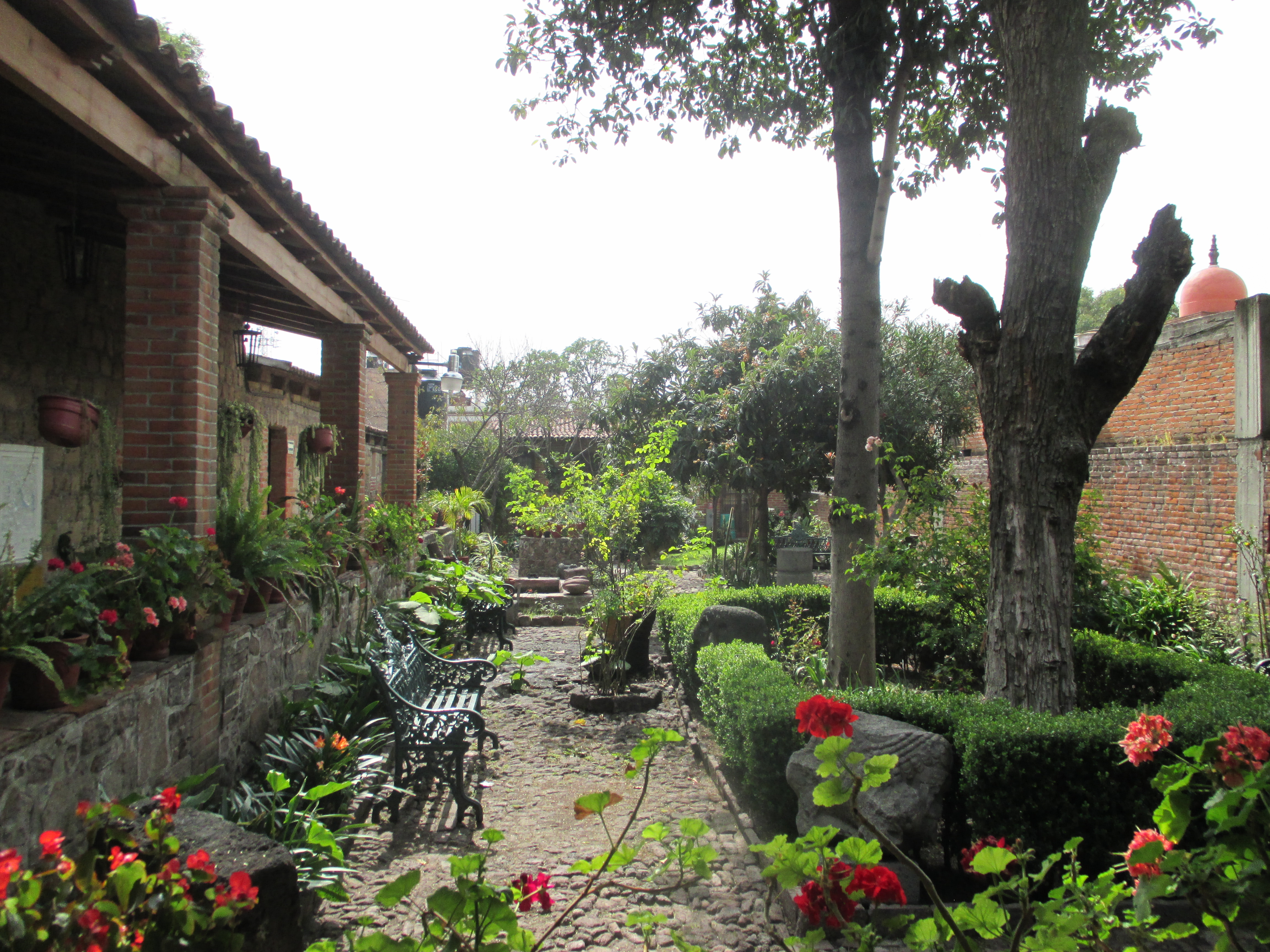
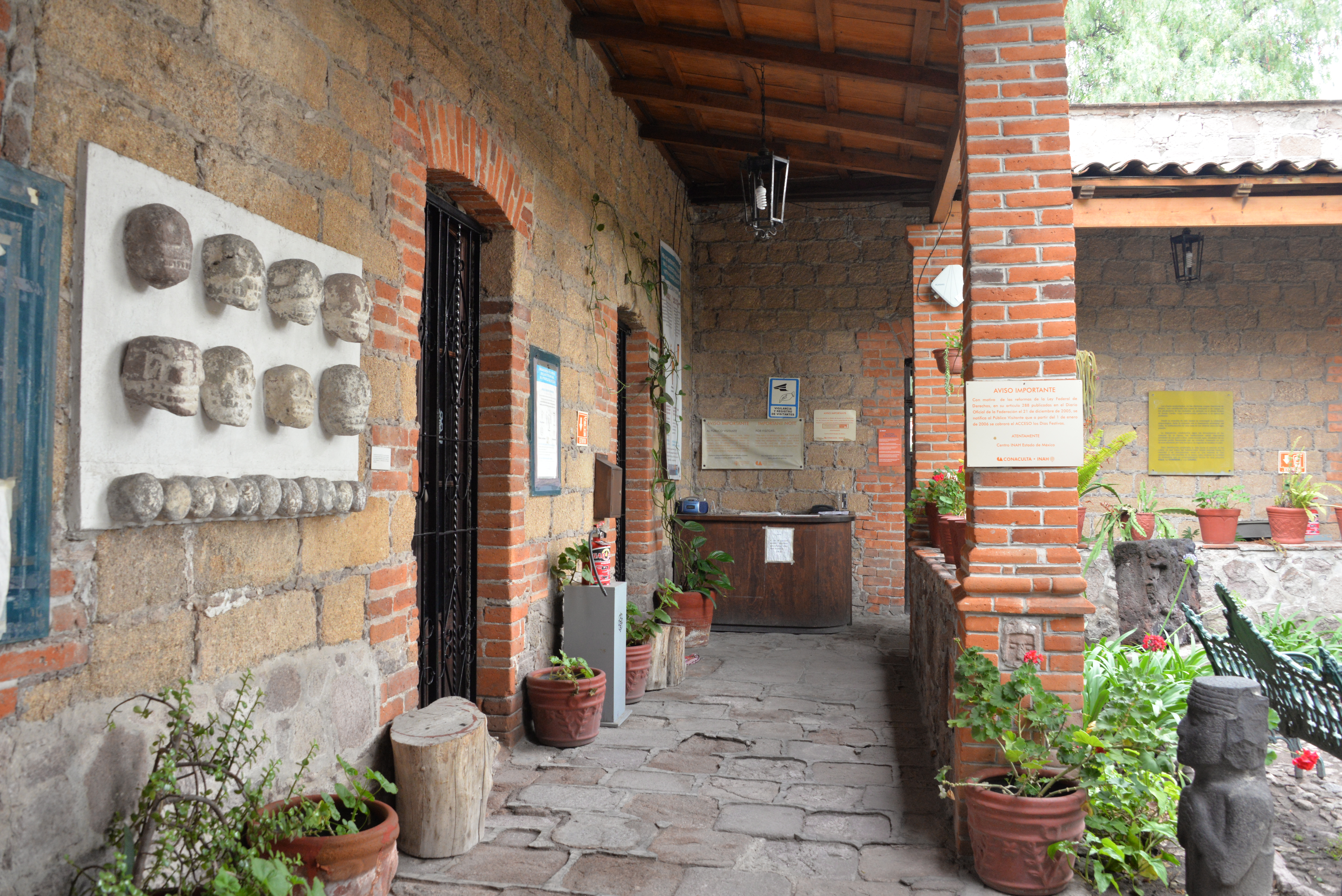
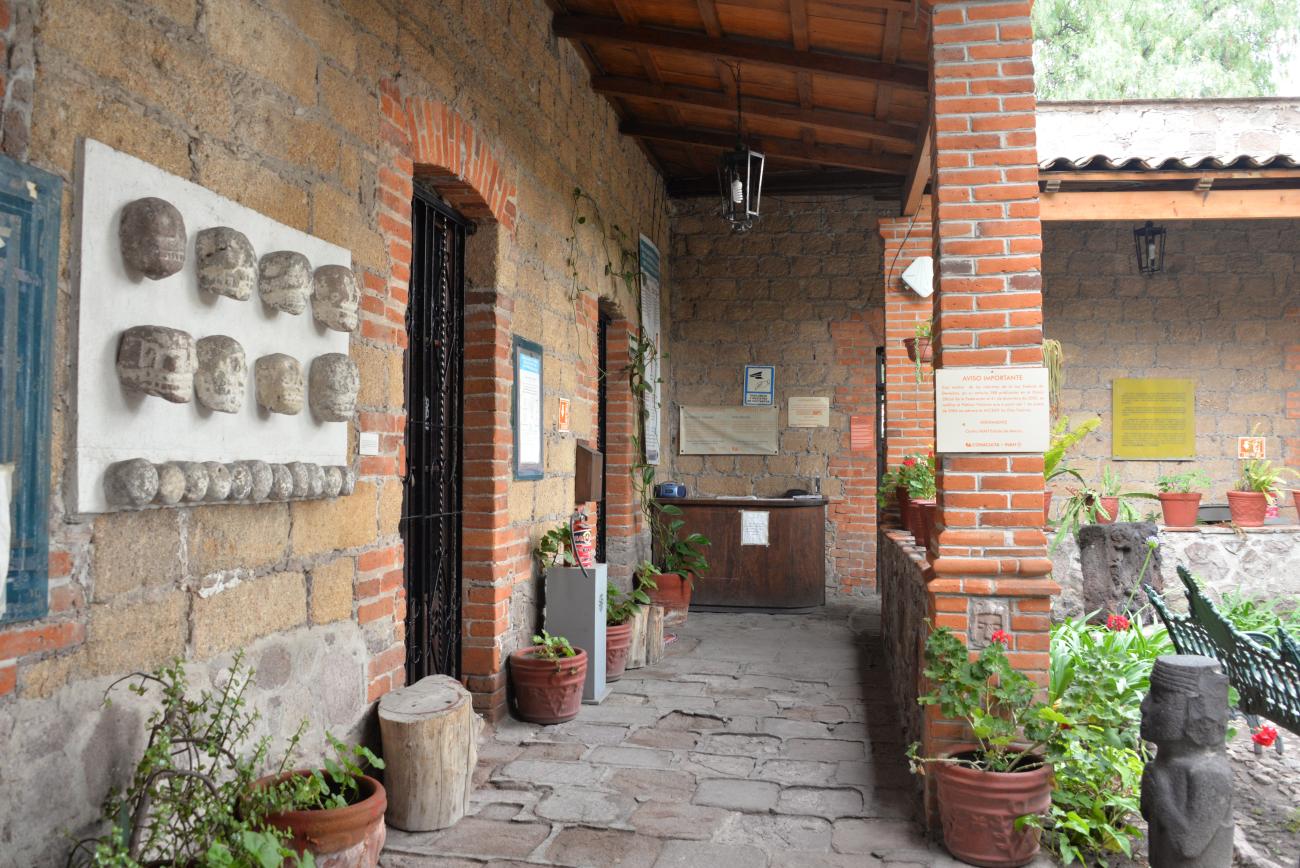
The galleries include displays of objects recovered from various sites around the Valley of Mexico, as well as some from excavations of the archeological zone of Santa Cecilia Acatitlan, and a dedicated space for Mexica sculptures as well as exhibits showing how people lived their daily lives in the region. Hidden away down narrow, cobblestone alleyways in Santa Cecilia Acatitlan, a neighborhood of Tlalnepantla, and partially hidden by the church of Santa Cecilia, this museum occupies a late-eighteenth-century mansion with a corridor and rooms ranged around a central patio.
It is named in honor of eminent physical anthropologist, Eusebio Dávalos Hurtado (1909-1968). The museum first opened its doors in 1964; it re-opened in 1982 and given a new exhibition design in 1996.
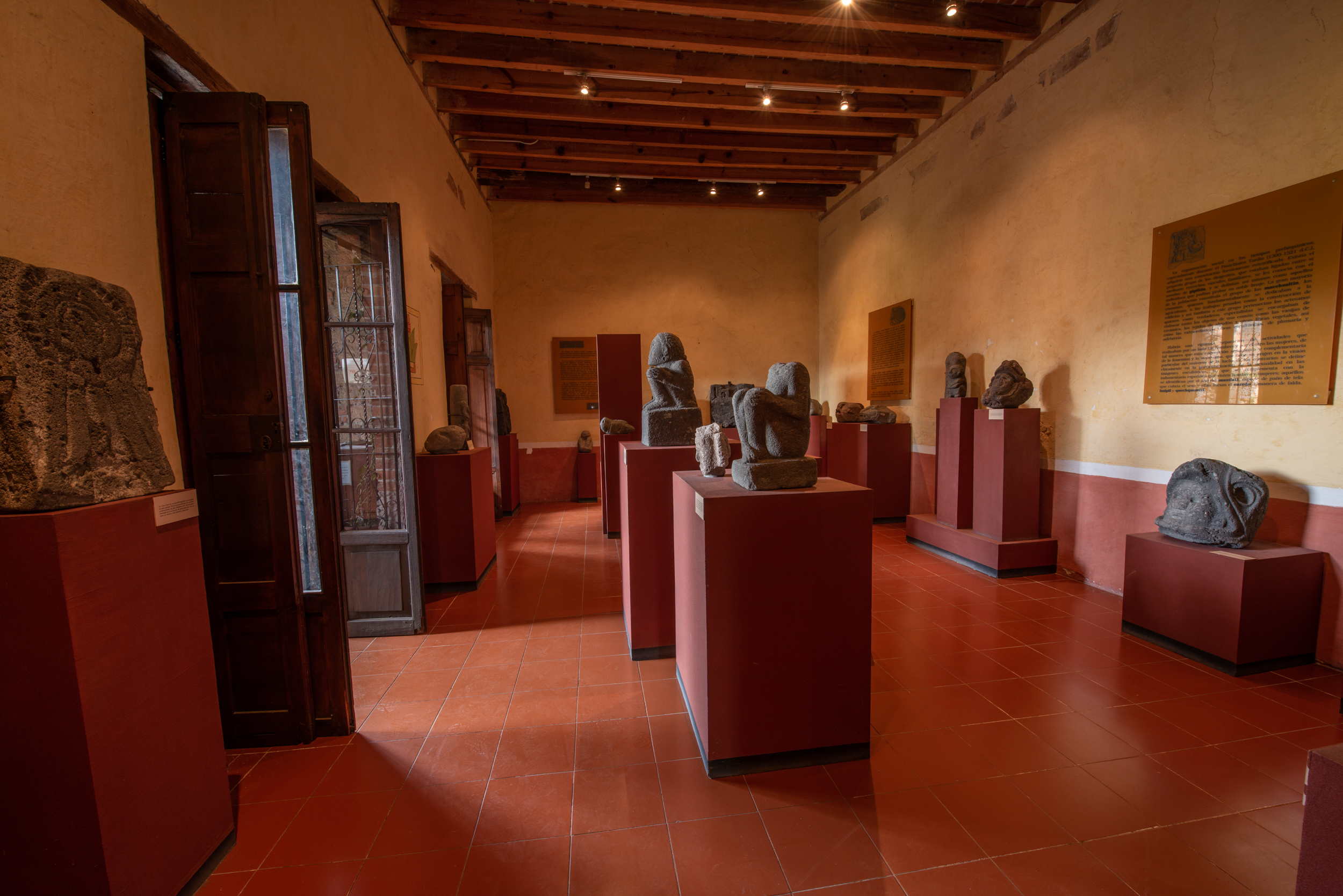
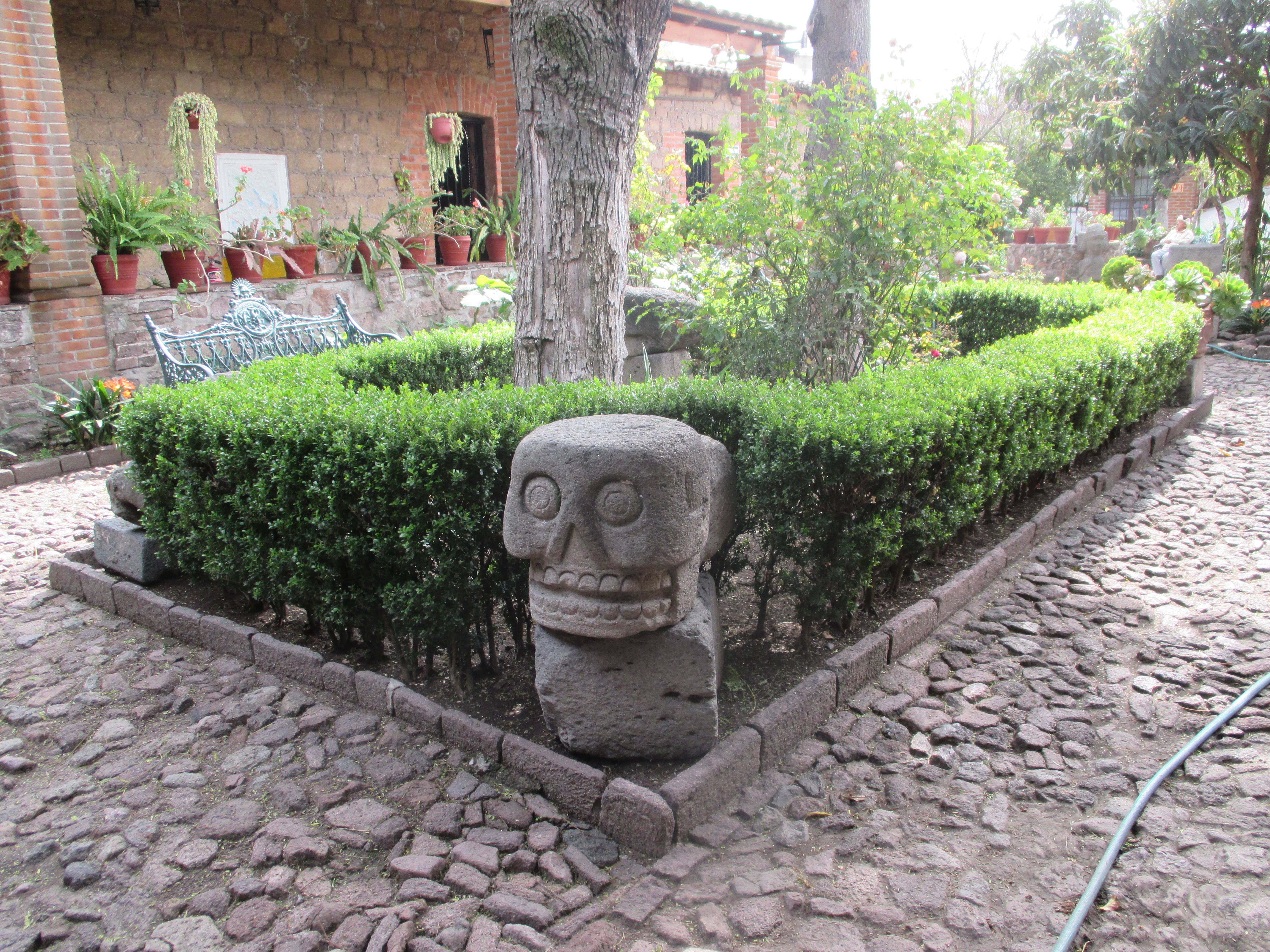
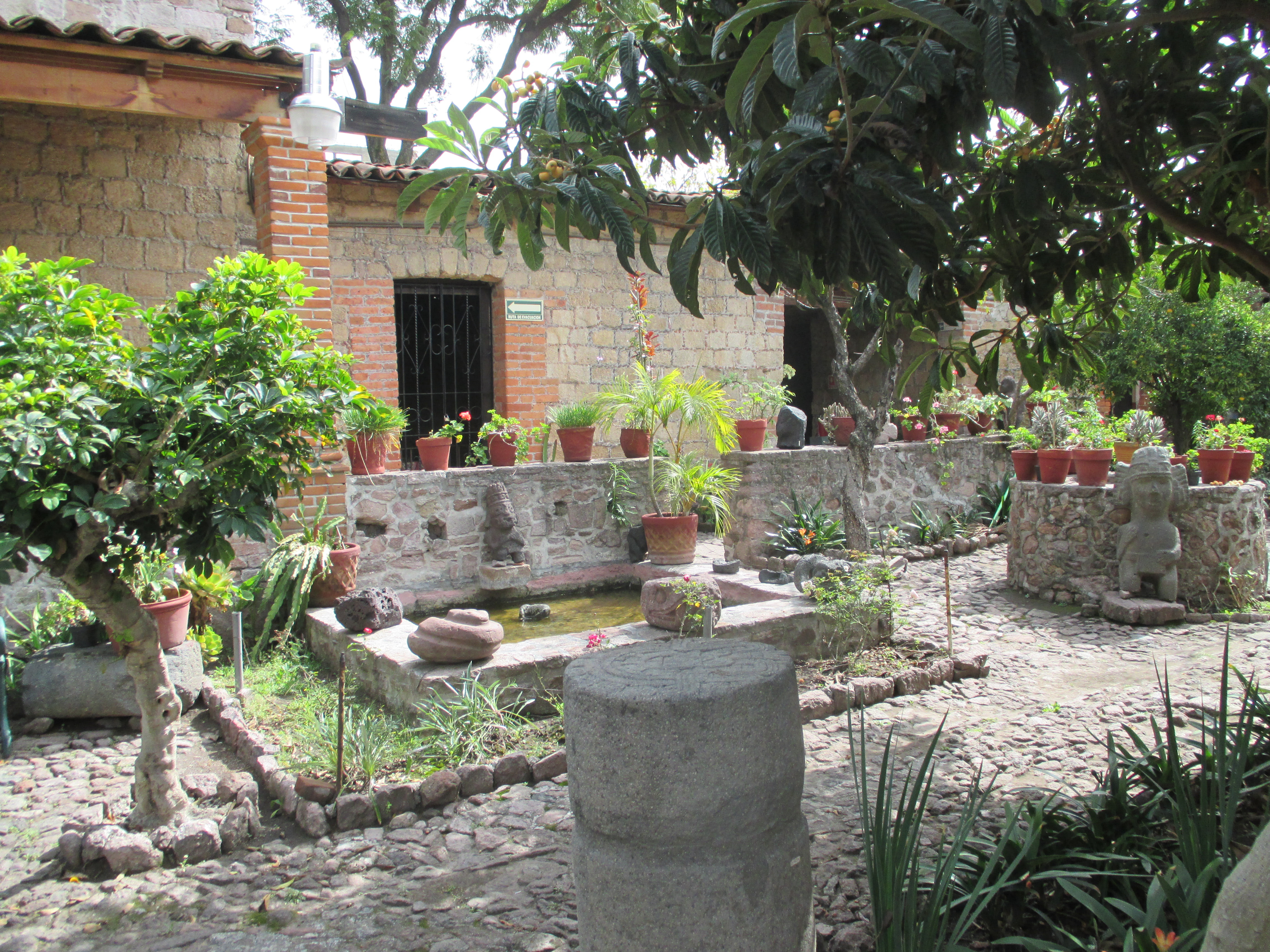
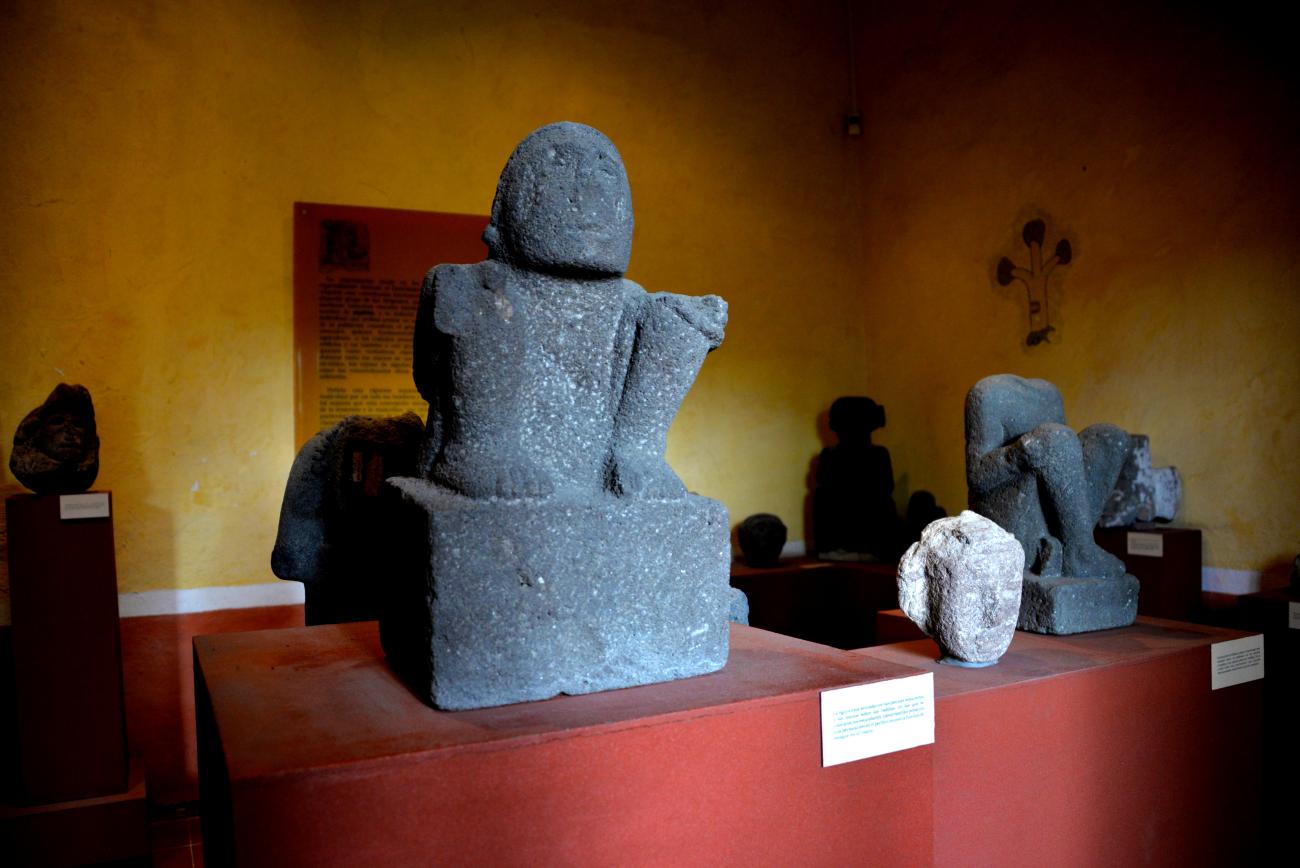
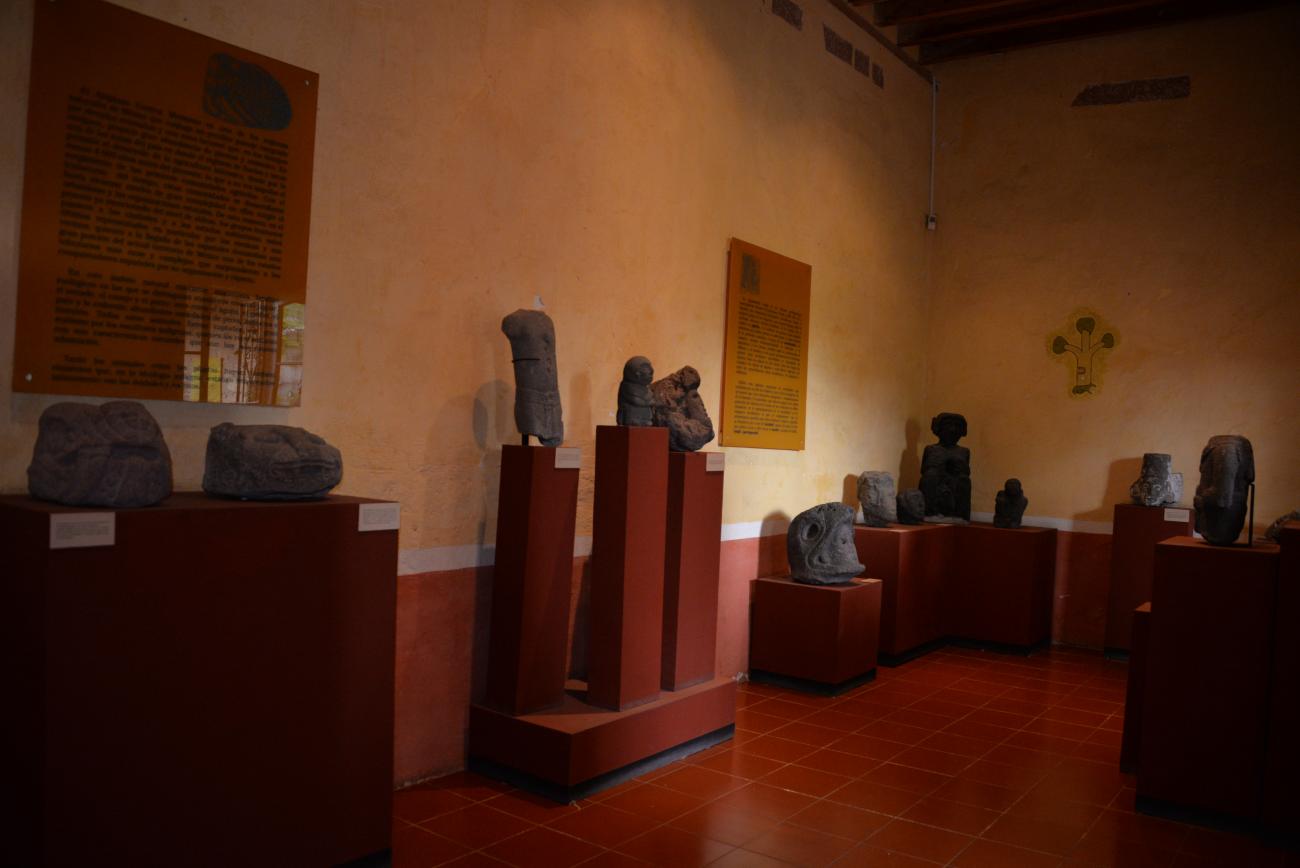
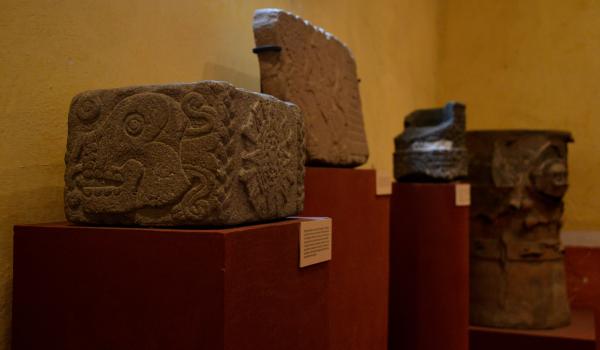
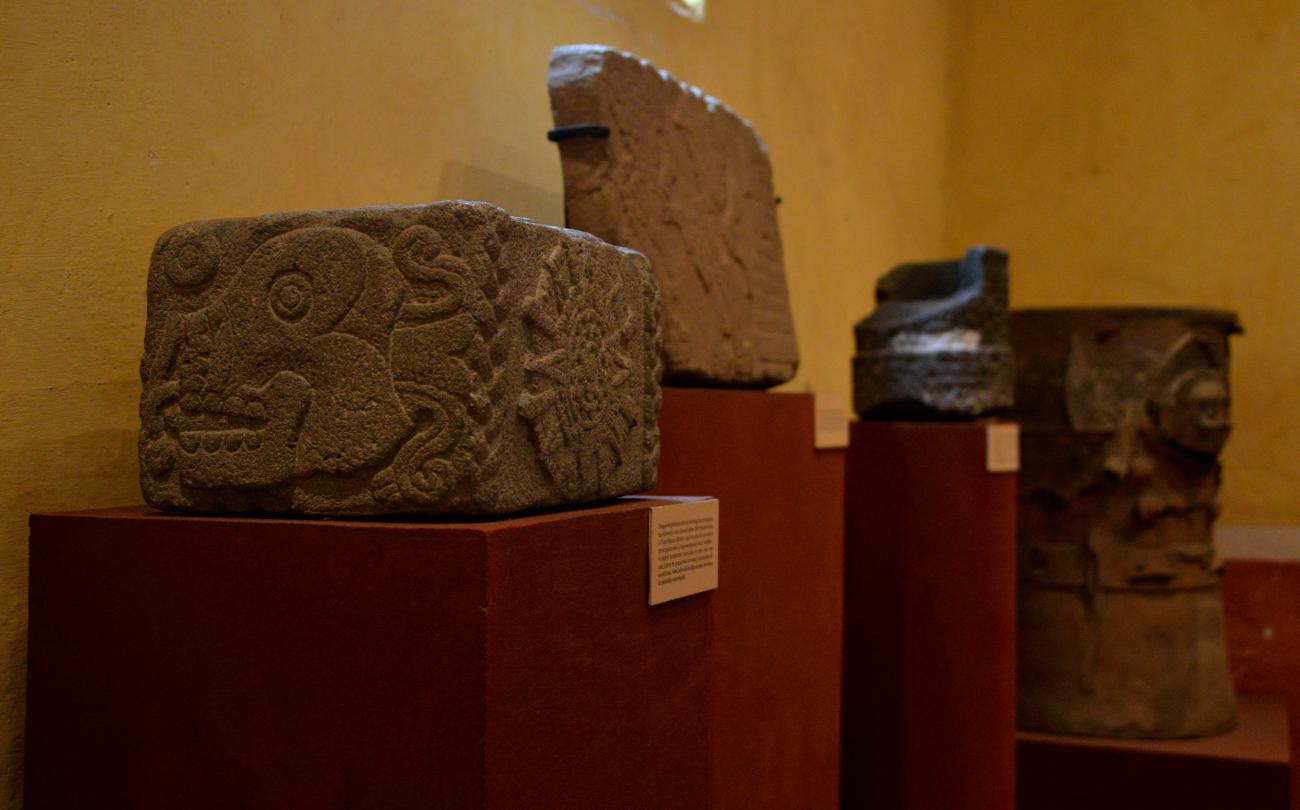
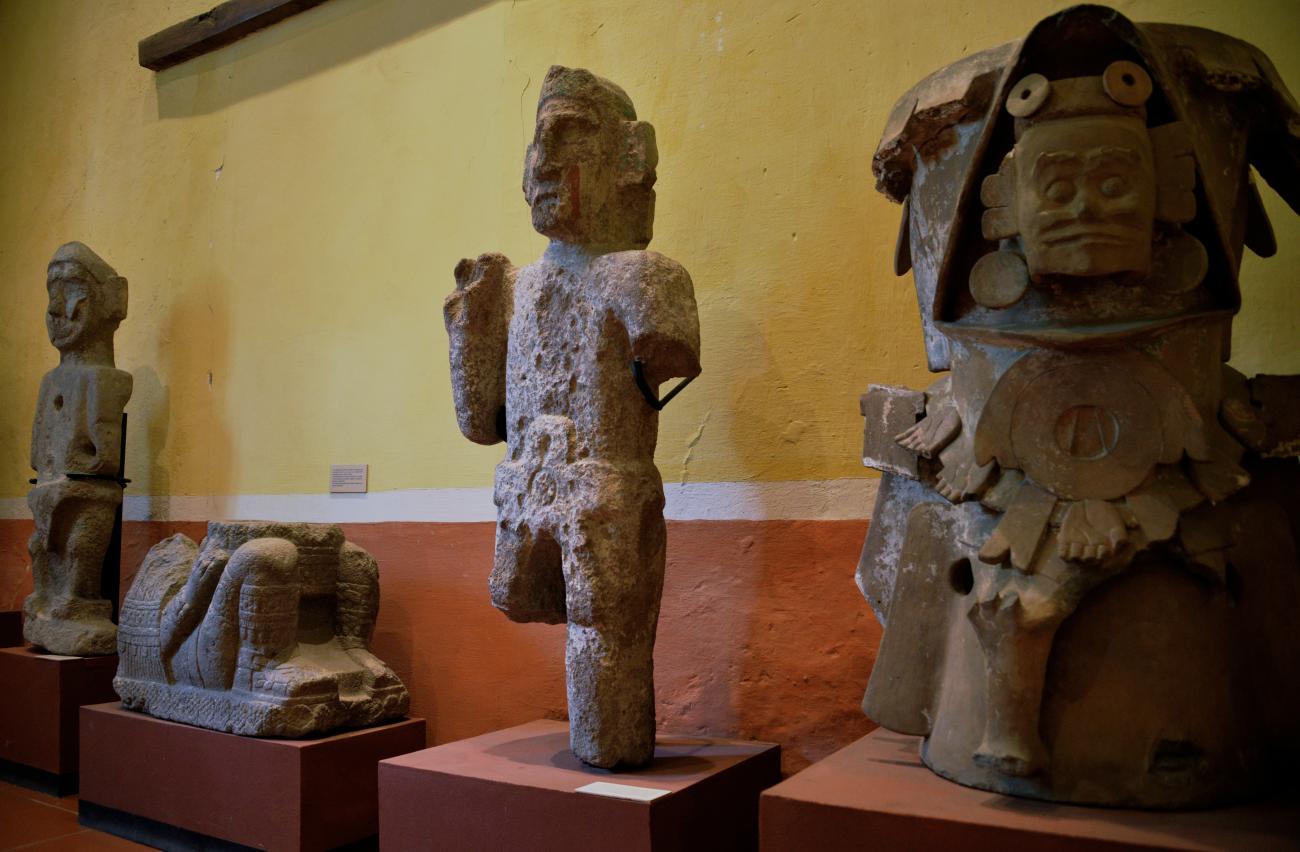
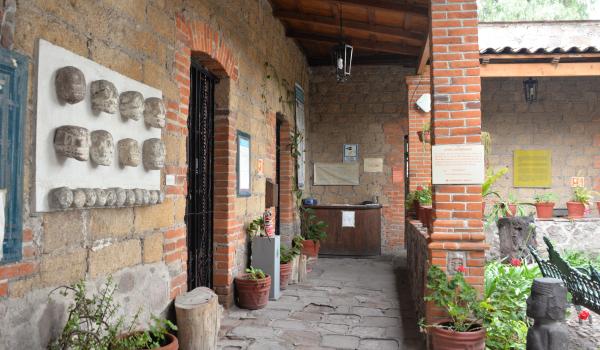
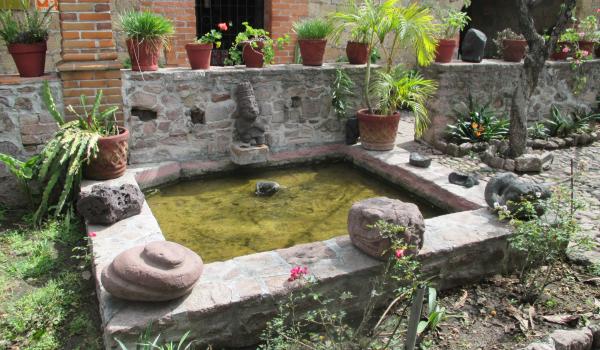
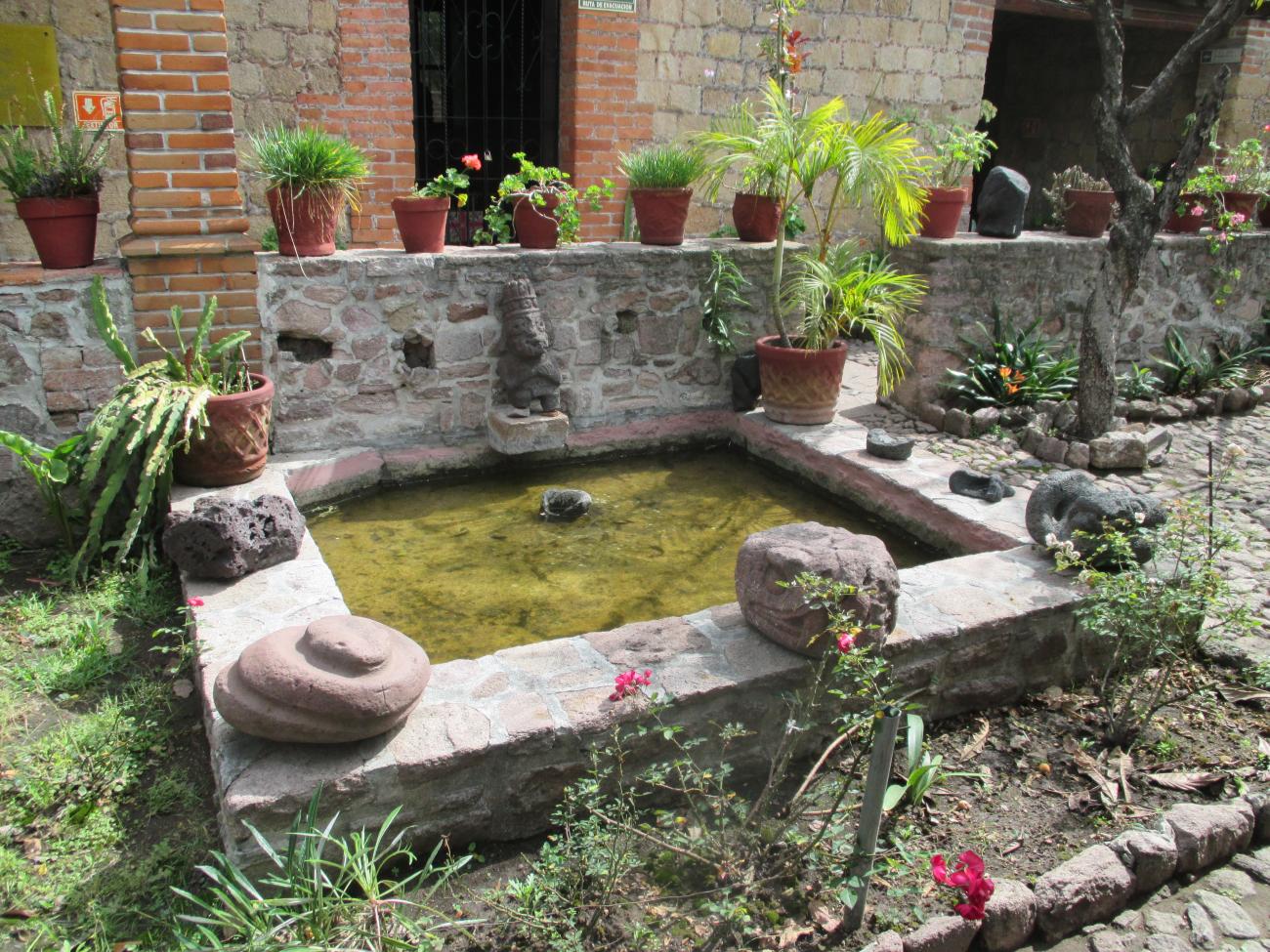
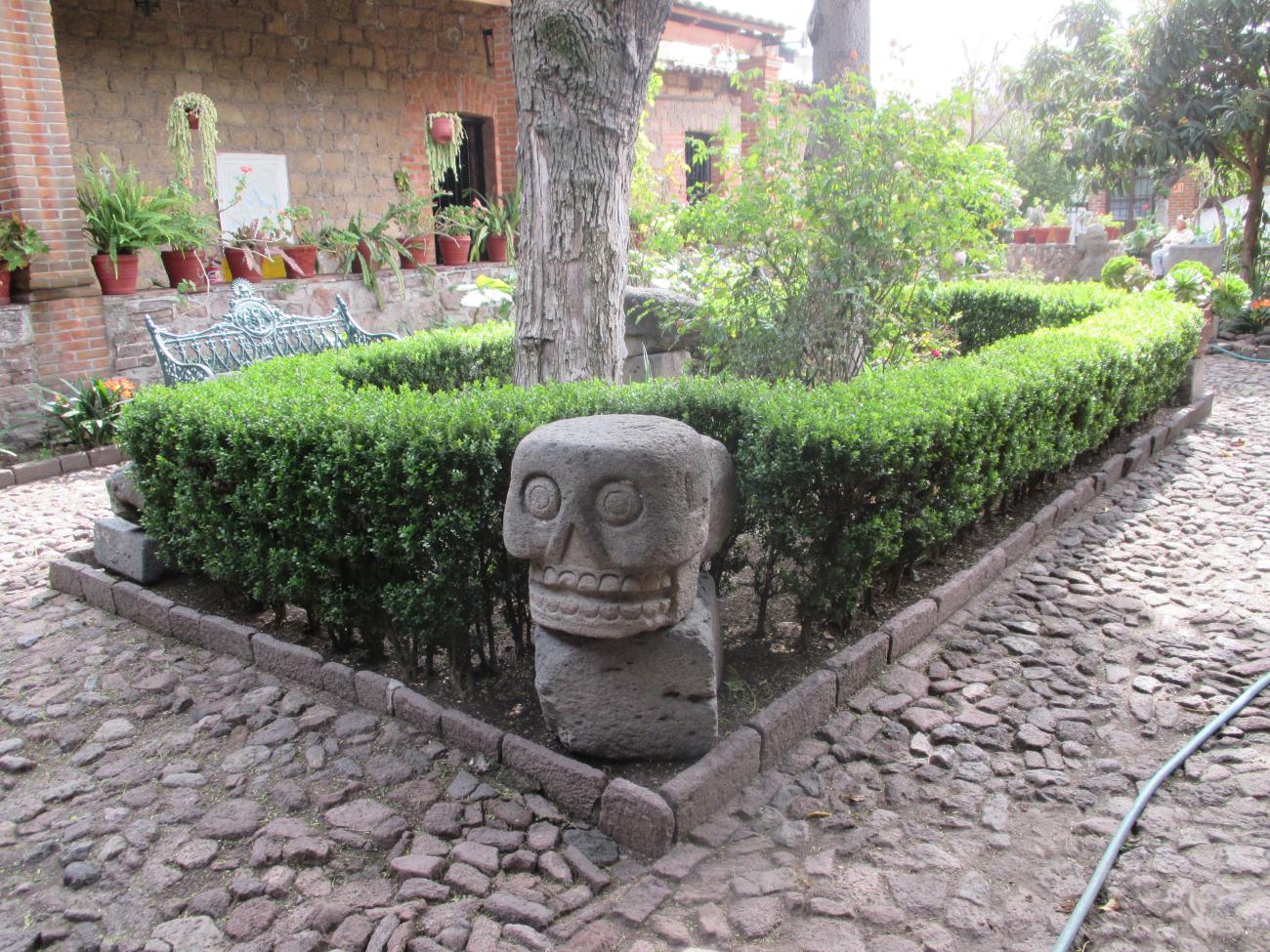
The sculptures were found at the site itself and also come from various locations around the Valley of Mexico, as well as from the states of Morelos and Veracruz. The first two galleries and garden are used for exhibitions of Mexica sculptures dating from the Late Postclassic (1300-1521), excavated from this site as well as from the Templo Mayor (Great Temple) and the National Museum of Anthropology. The sculptures are arranged according to three themes: “Landscape and natural resources in pre-Hispanic times,” showing figures of animals such as eagles, grasshoppers, toads, jaguars, tigers and snakes; “Physical traits and idealized forms of beauty in human figures” with necklaces, ear flares, masks and caps; “Religion and depictions of the gods,” such as Mictlantecuhtli, a Chac-Mool, and deities associated with forces of nature, such as the rain god Tlaloc. The exhibits are carved in materials such as tezontle, rhyolite, andesite and basalt. Displays in the garden include representations of shells, carved skulls and coiled snakes.
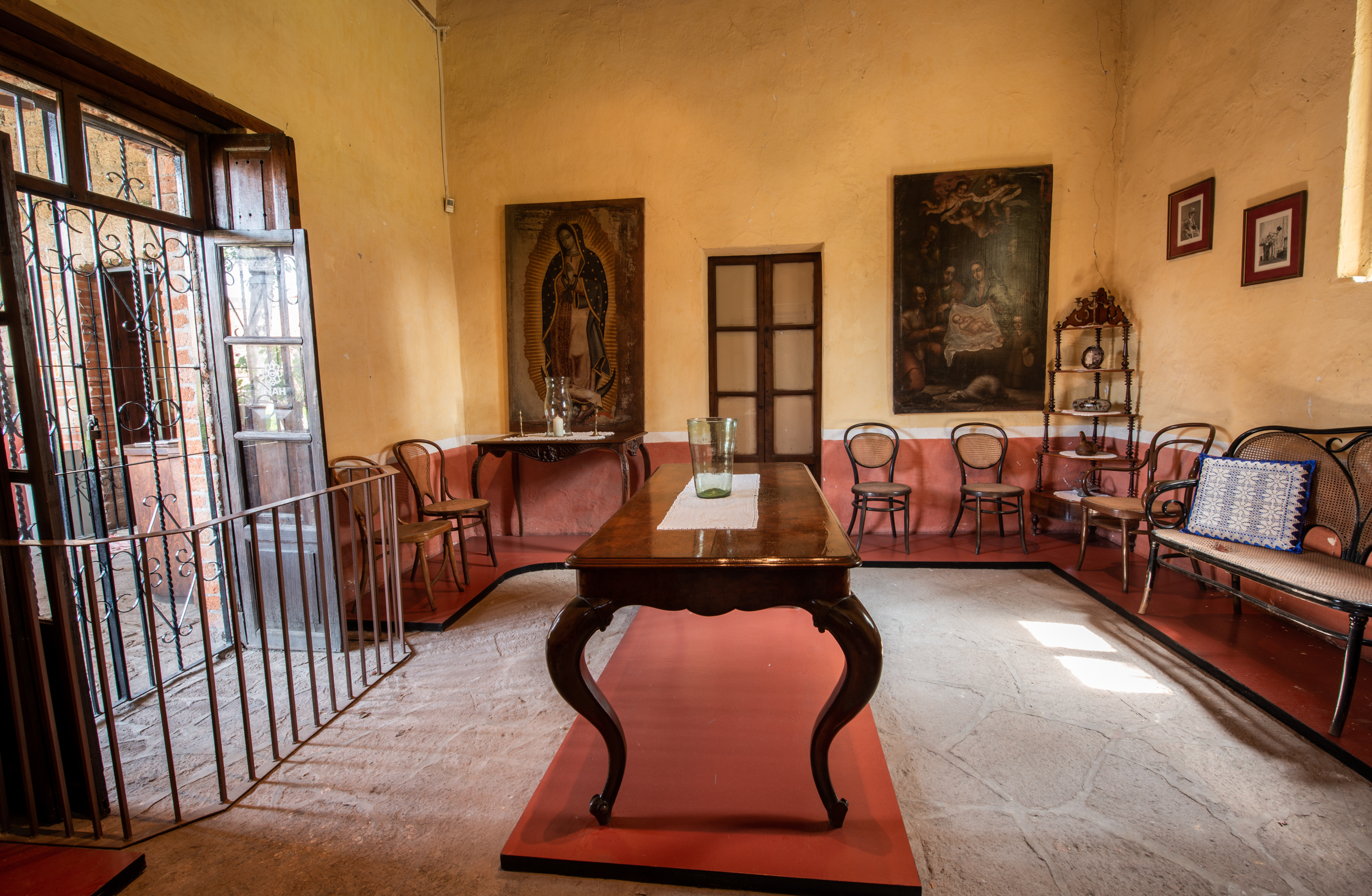
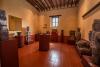
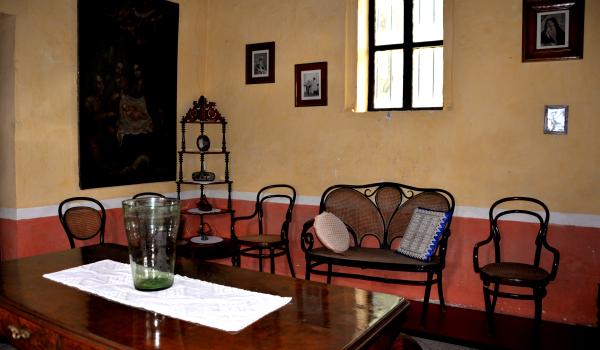
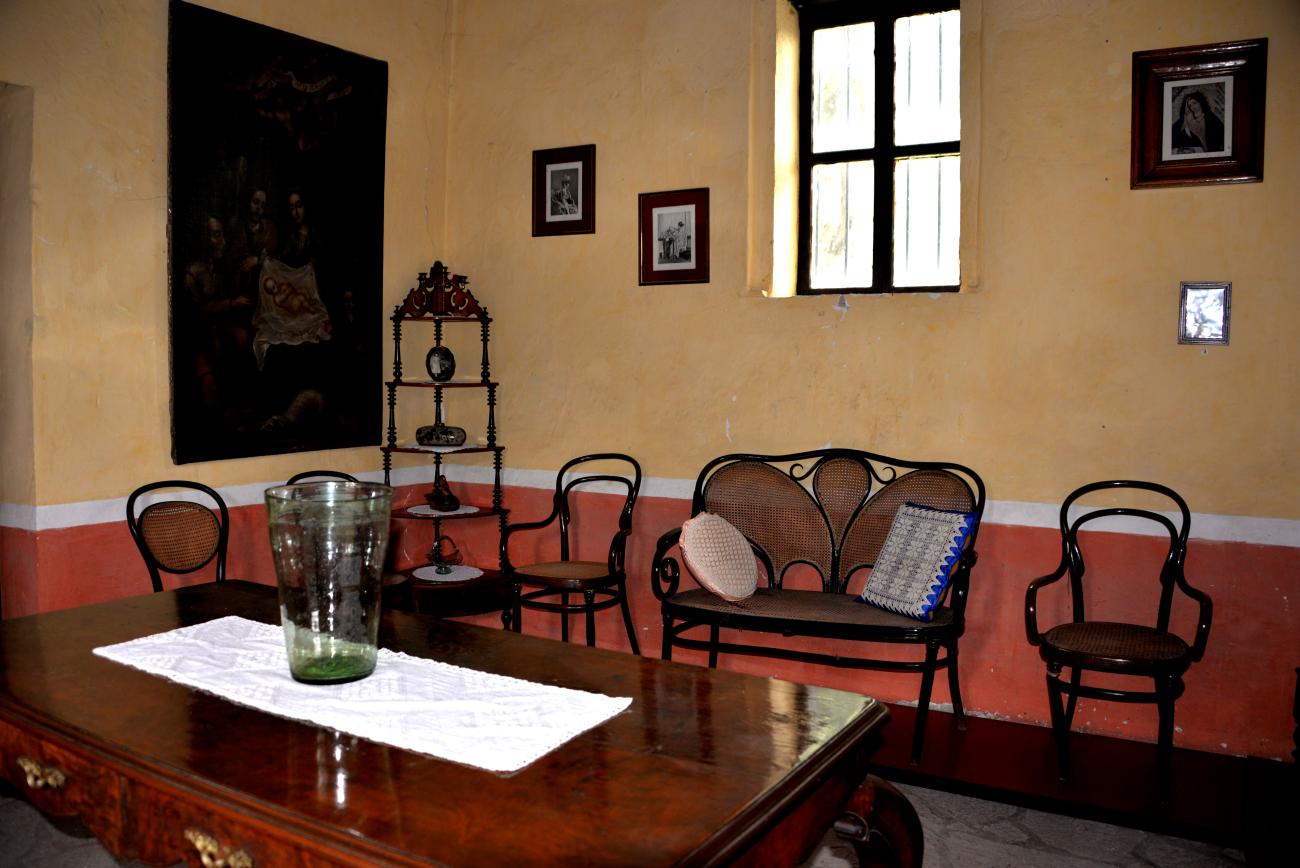
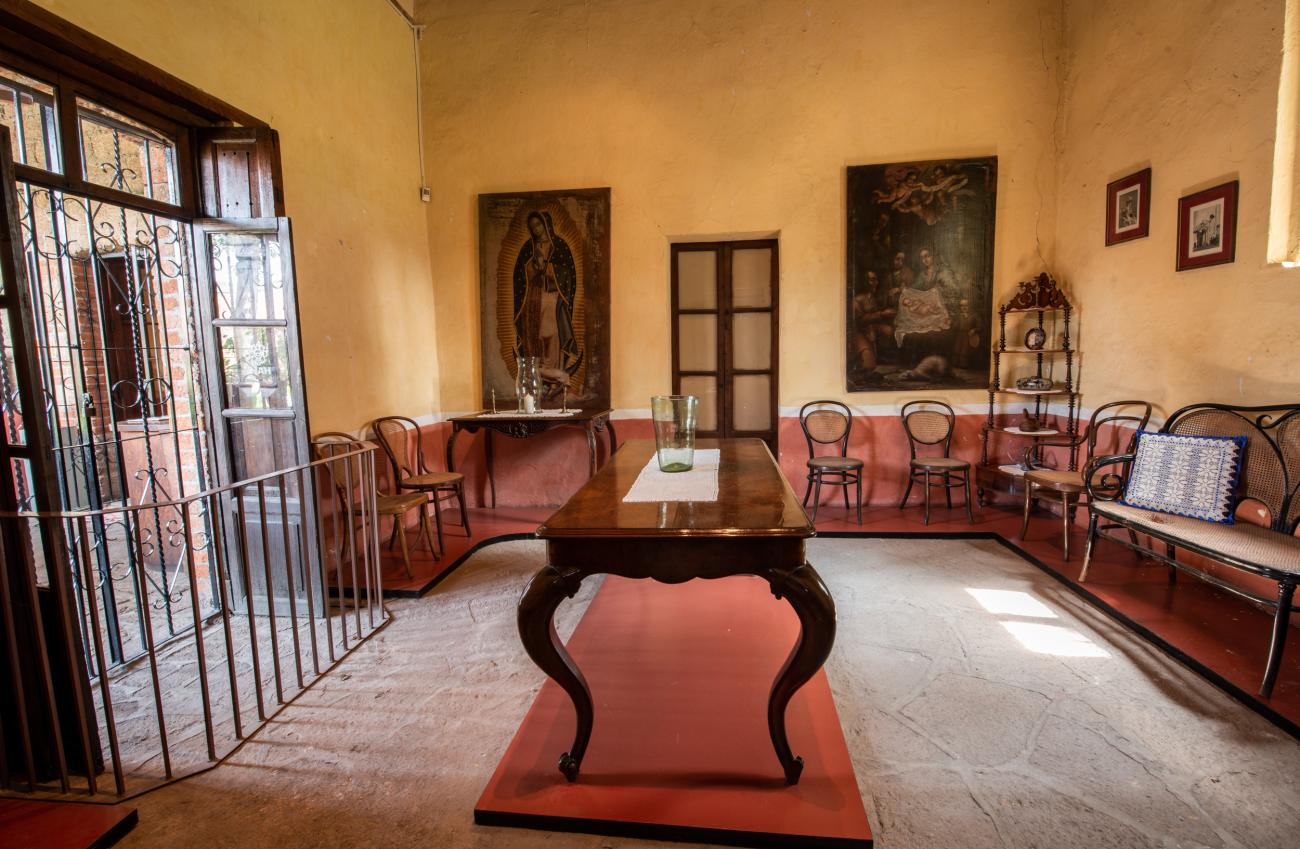
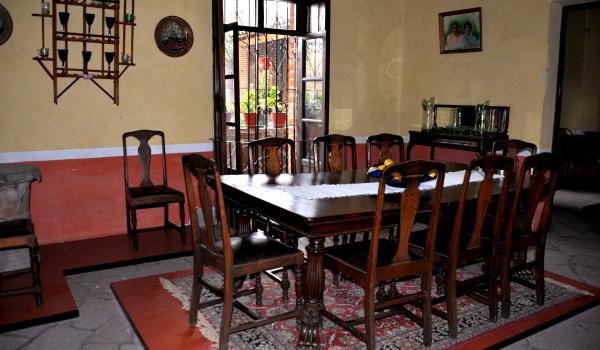
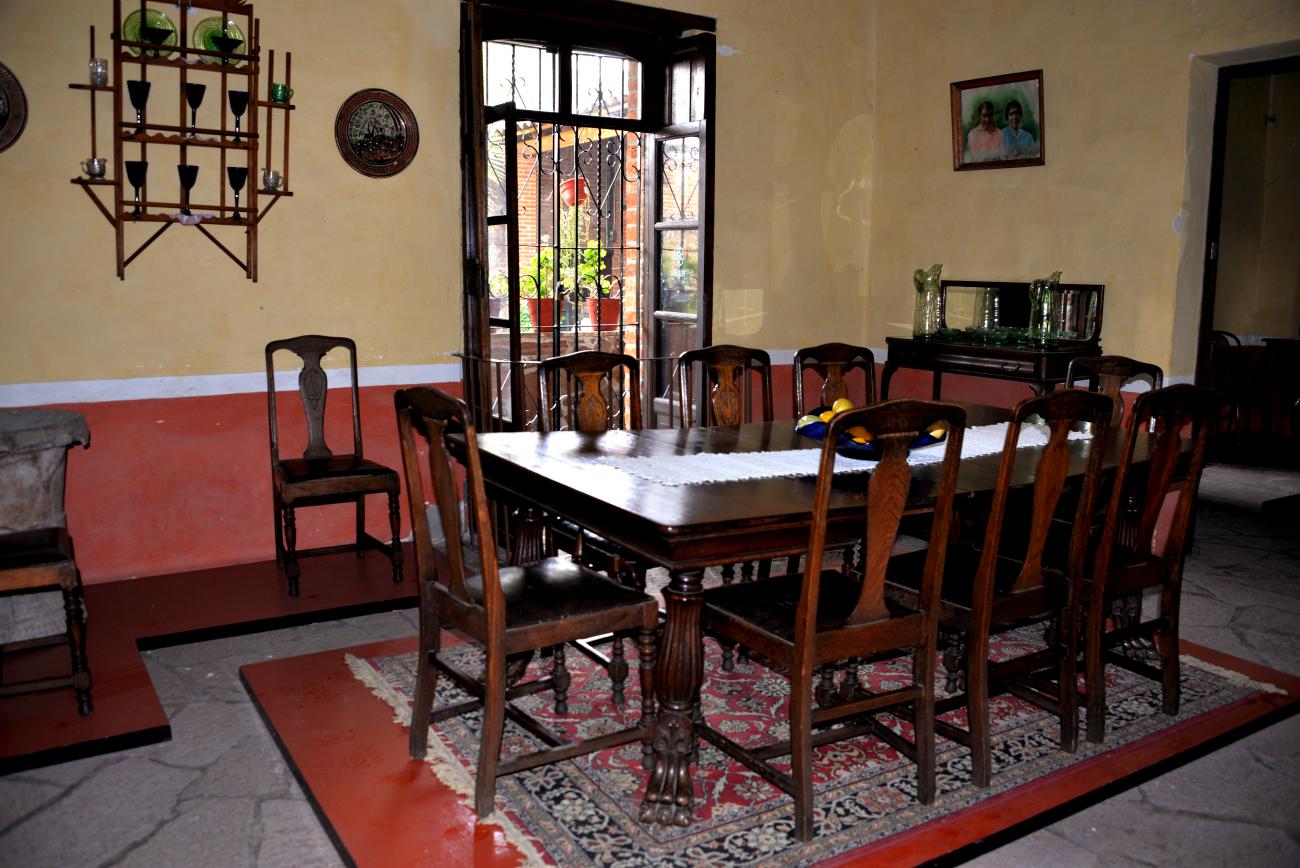
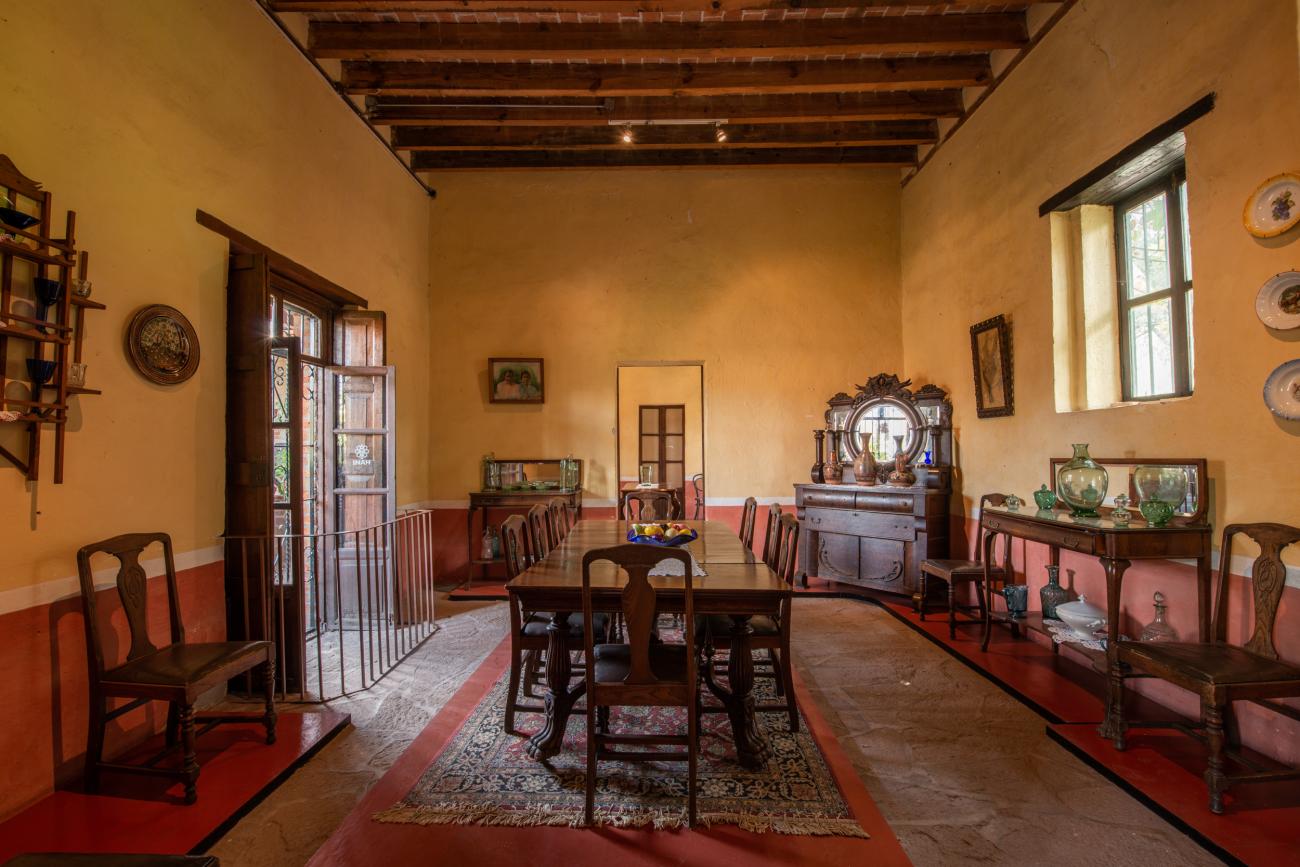
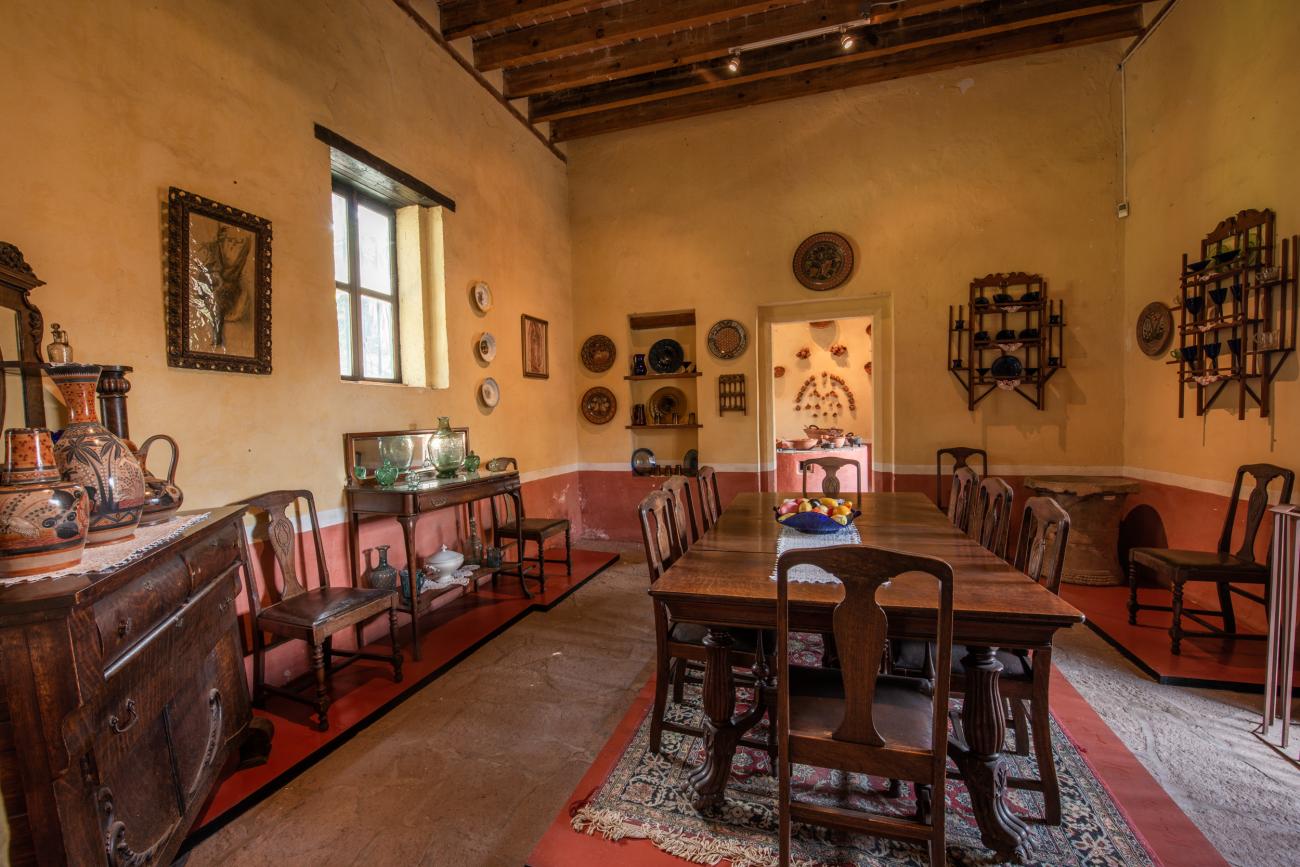
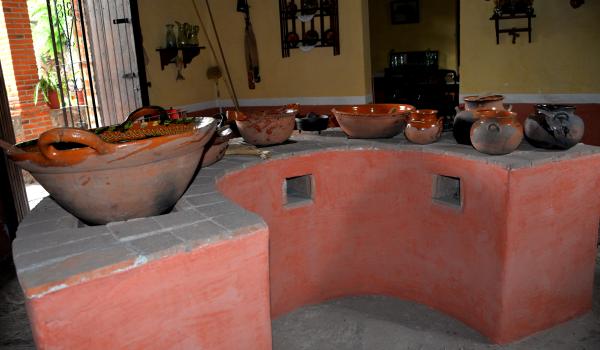
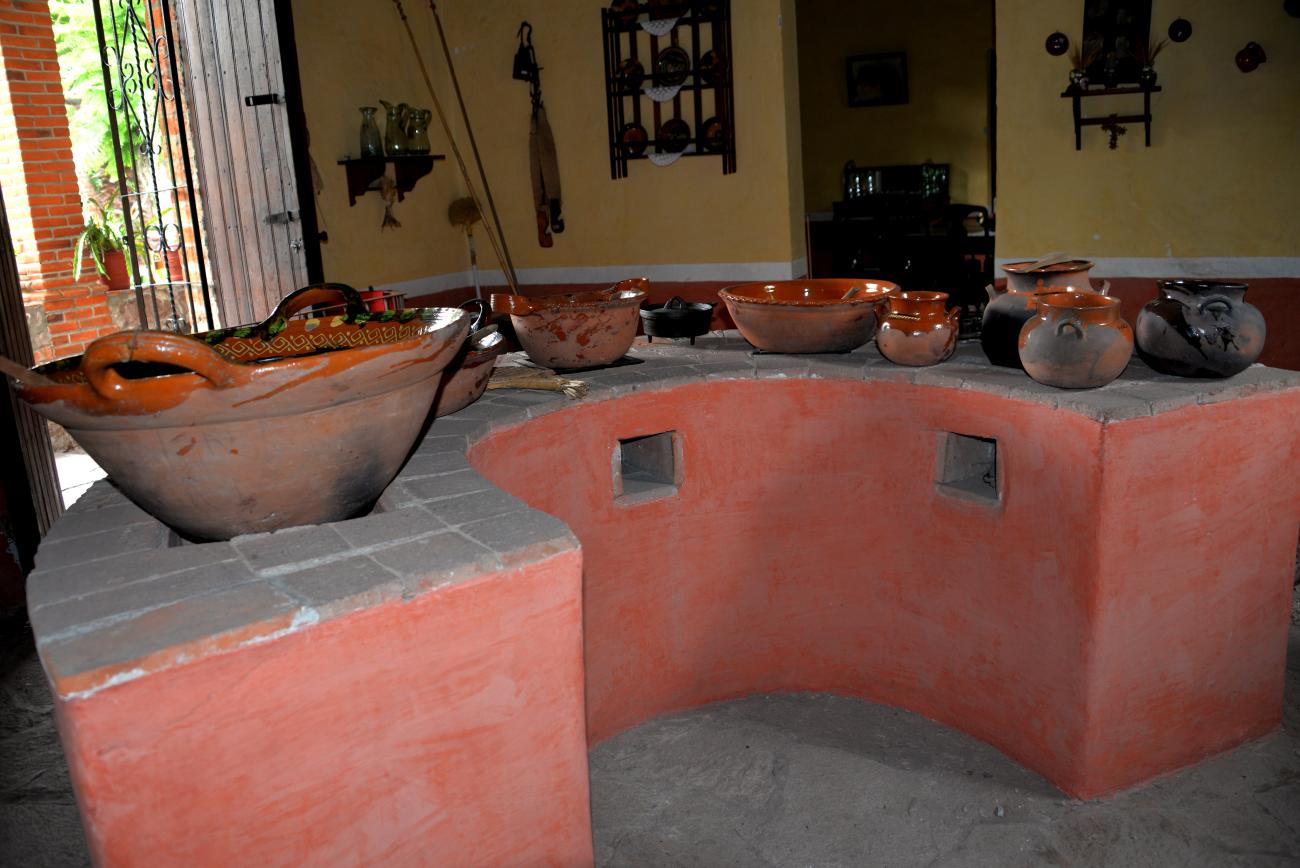
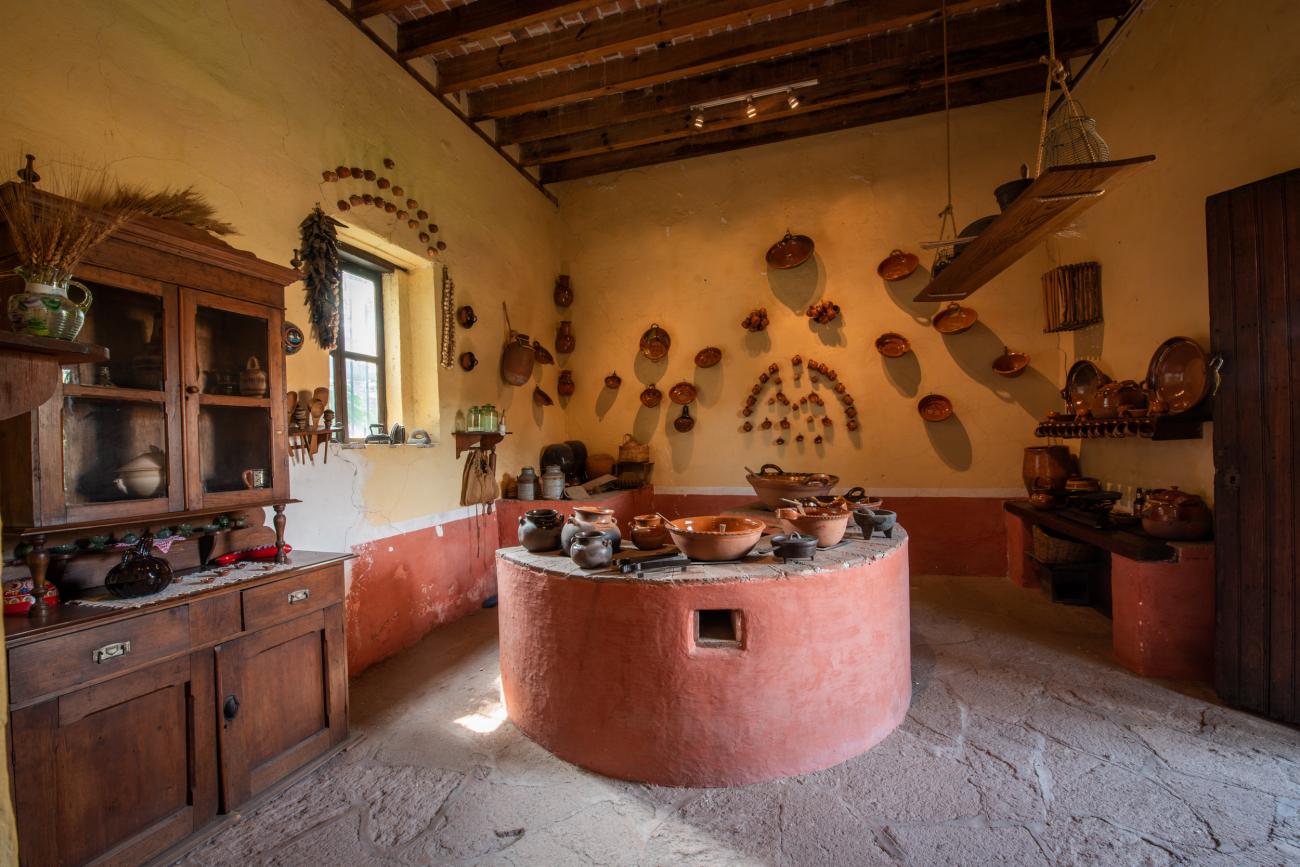
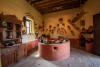
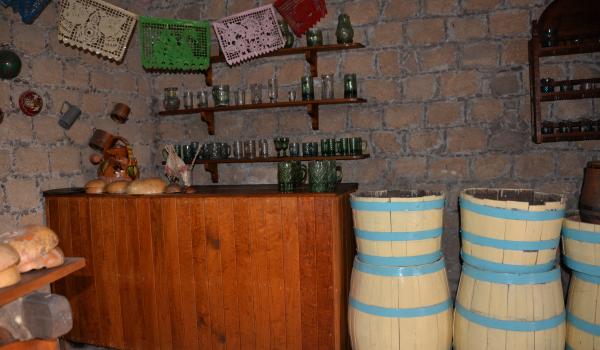
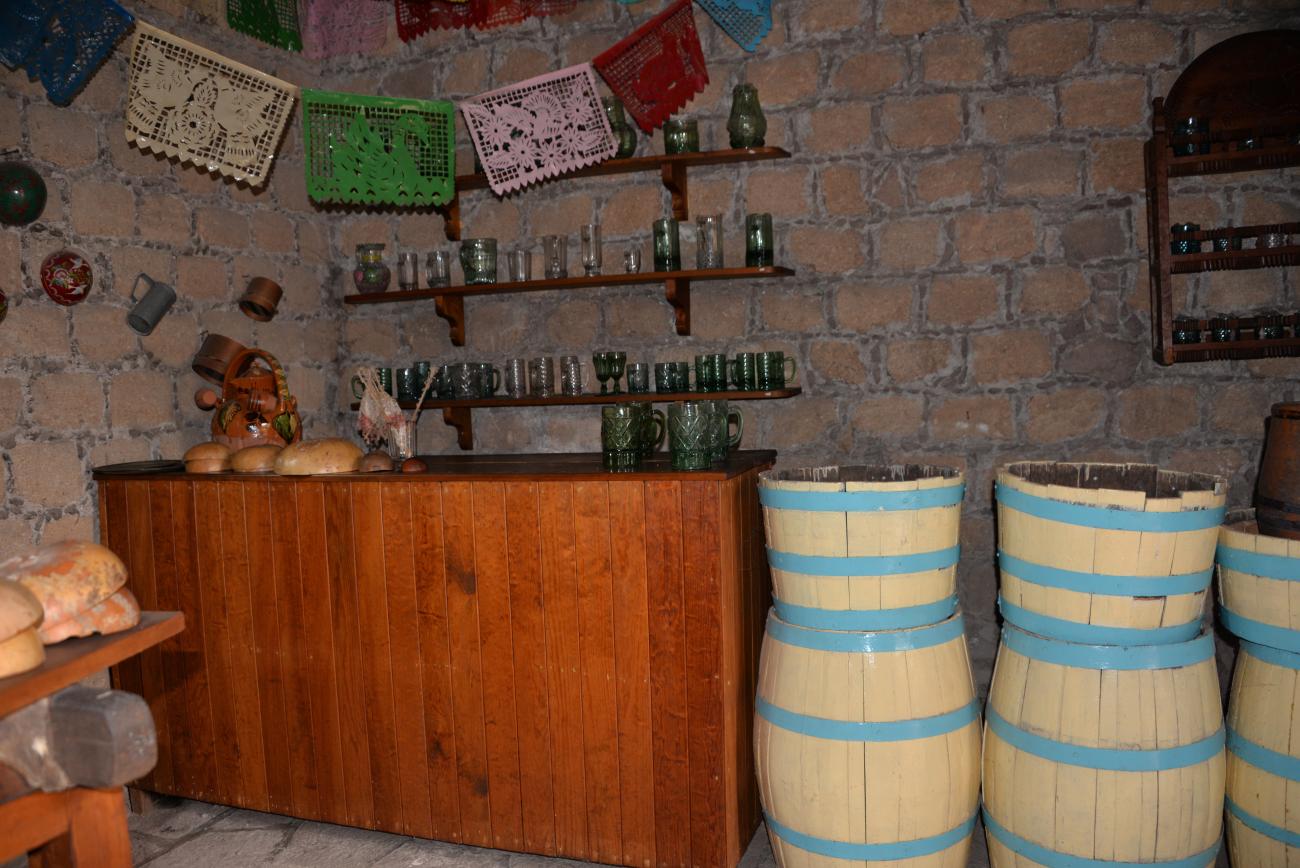
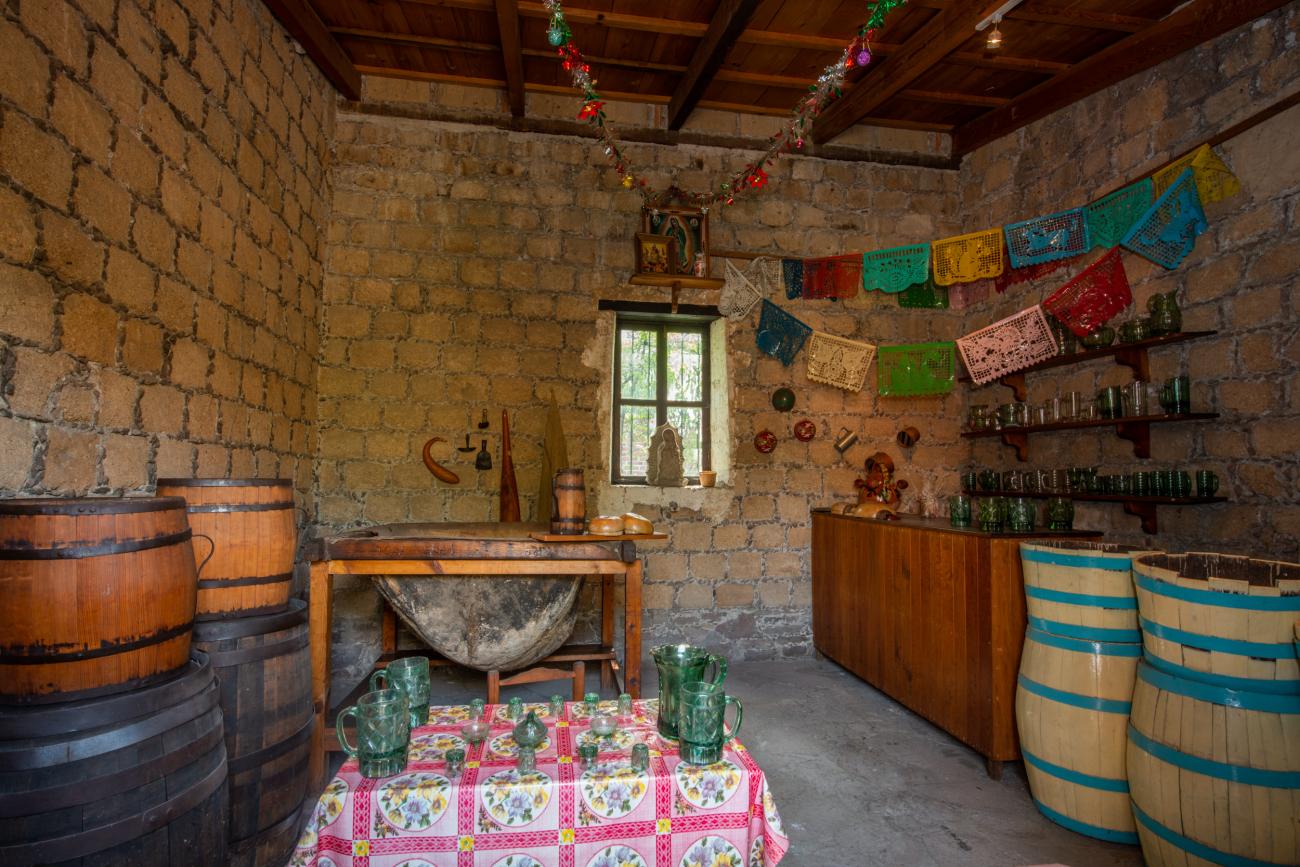
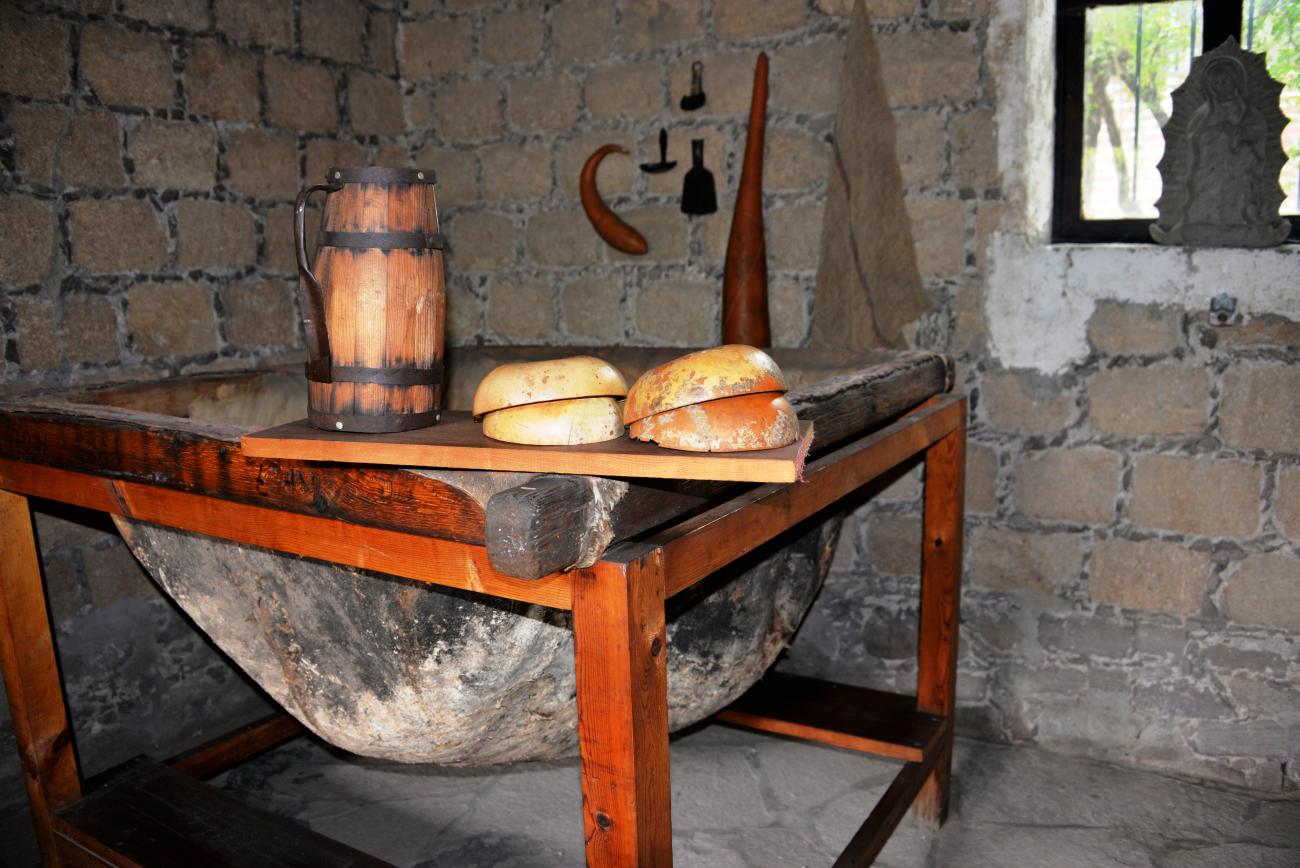
The four remaining galleries contain a collection of historical artefacts, and a living room, dining room and kitchen are decorated with period, domestic objects such as plates and jugs, photographs, religious images as well as furniture, to give a sense of daily life in the region. At the rear is a “tinacal,” a special type of vat used in the pulque-producing region.
Fauna and Physical Type of the Mexicas
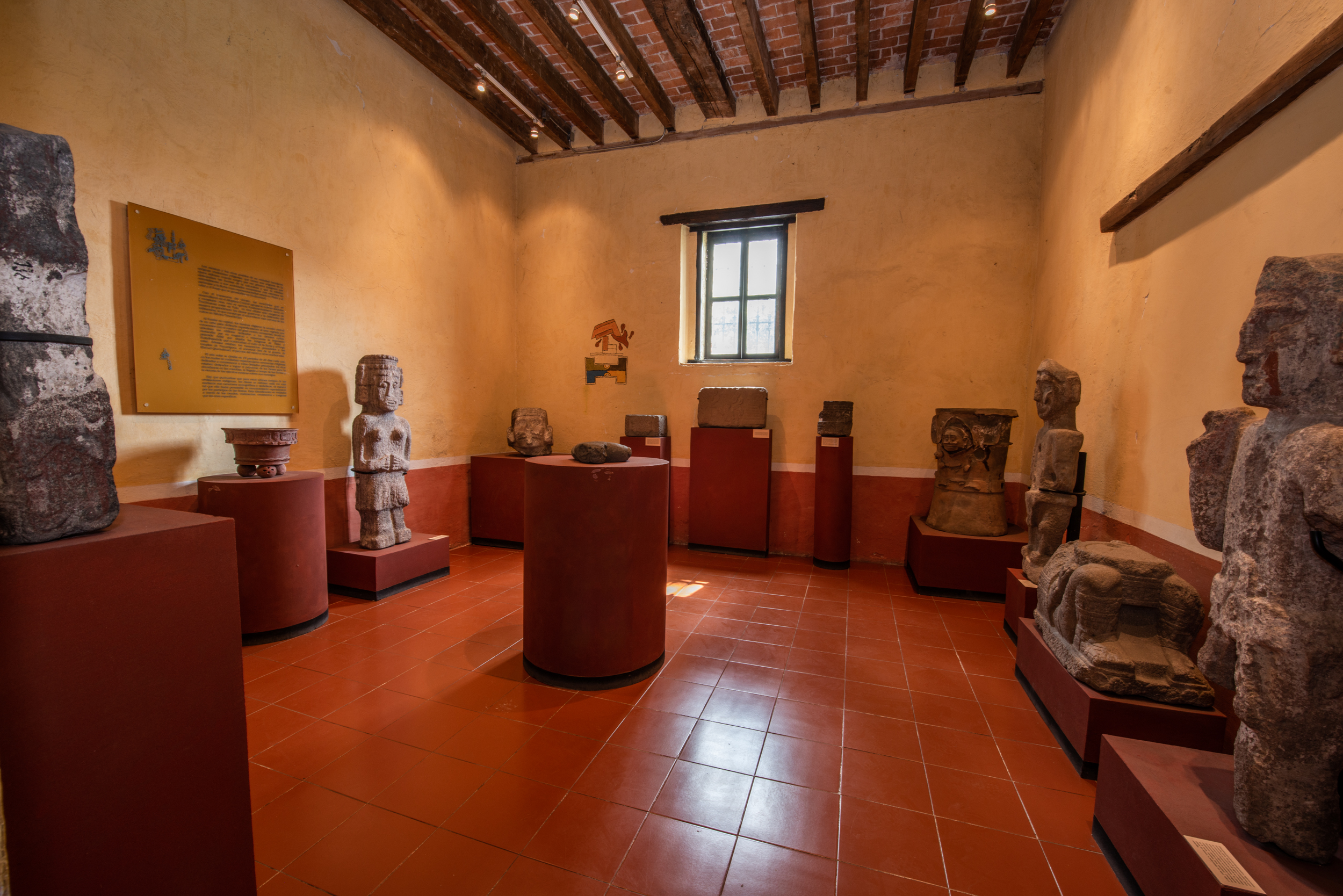
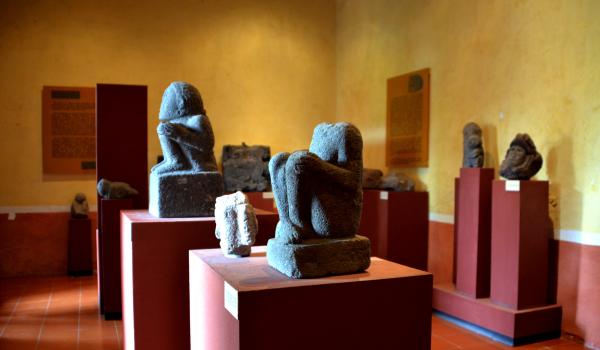
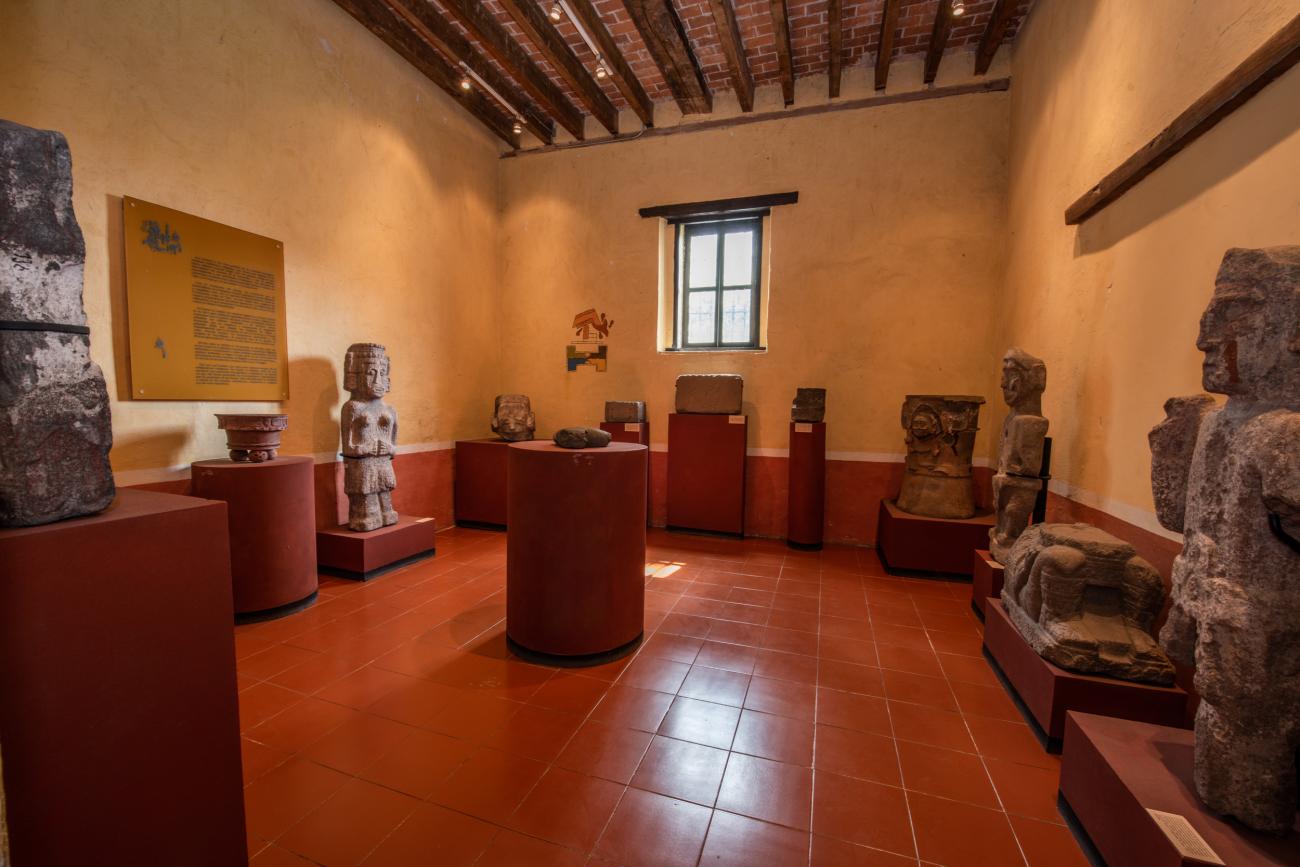
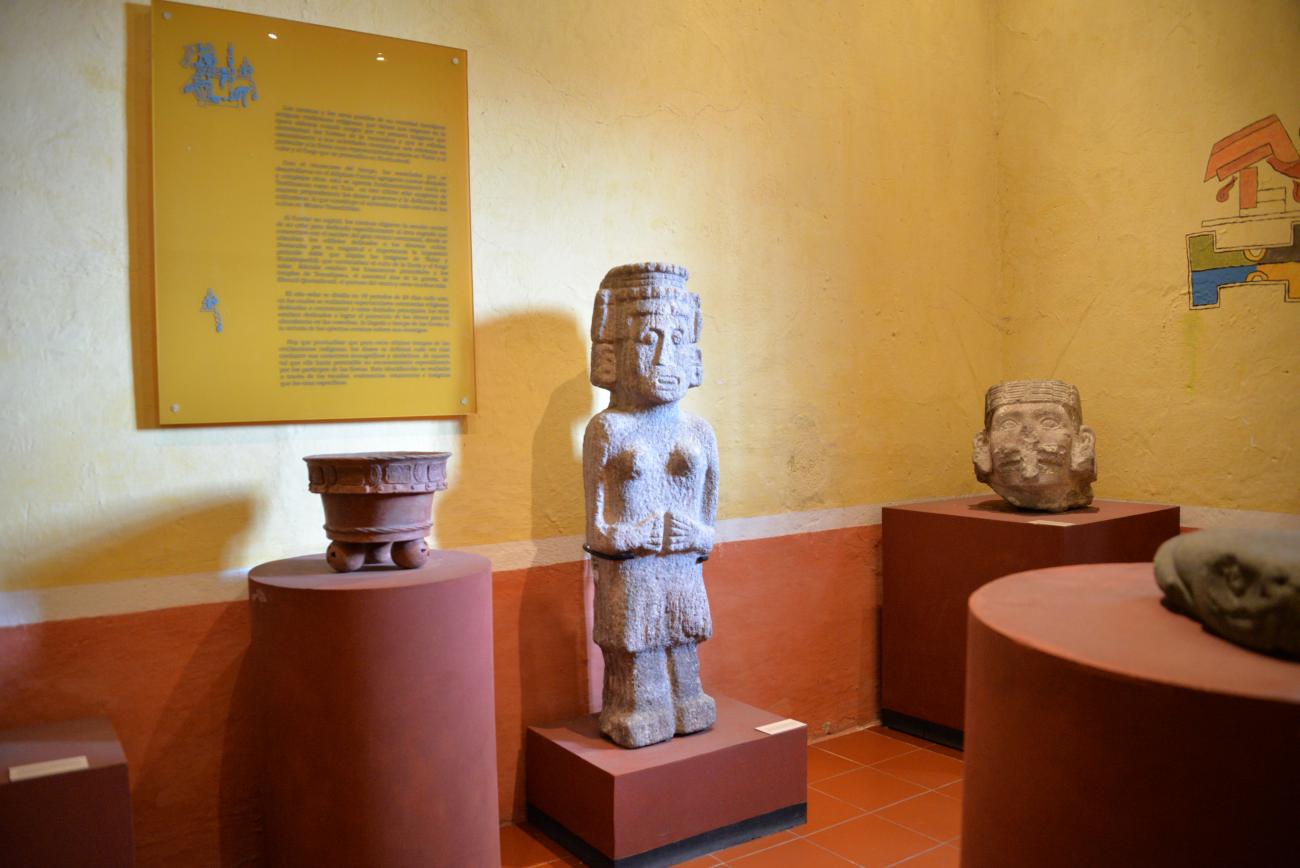
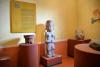
The sculptures in the first room are representations of various animals, such as felines, snakes, eagles, a frog, a toad, and a grasshopper. There are also human-shaped figures dressed in various garments and adorned with accessories like necklaces, earplugs, masks, and hats.
Fauna and Physical Type of the Mexicas

Religion
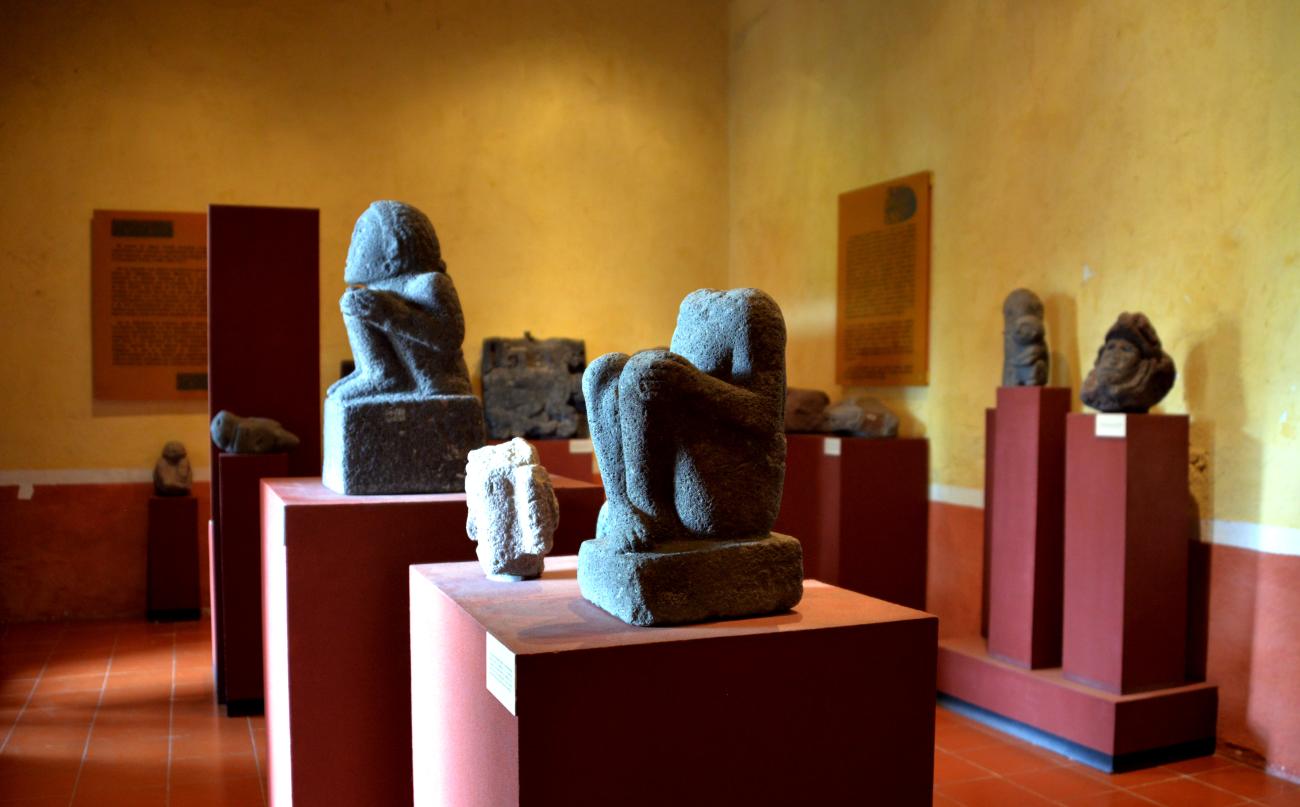
The second room displays sculptures representing several pre-Hispanic deities, including "Chicomecóatl", the mythical Goddess of Agriculture; "Mictlantecuhtli", Lord of the Underworld; "Tláloc", the god of rain; as well as a "Chac-Mool".
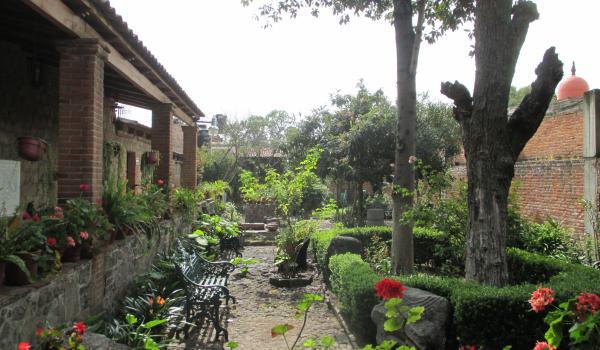
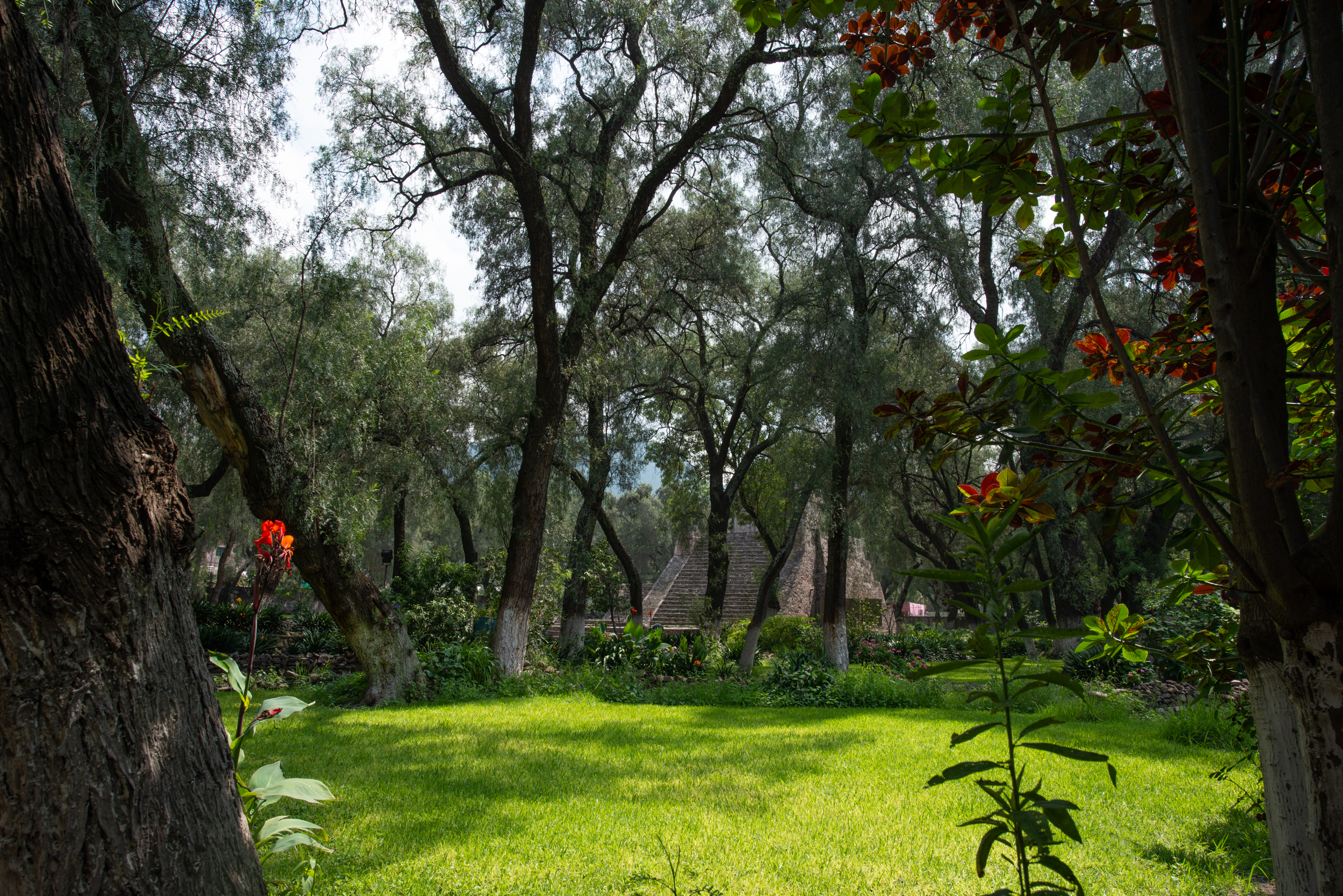
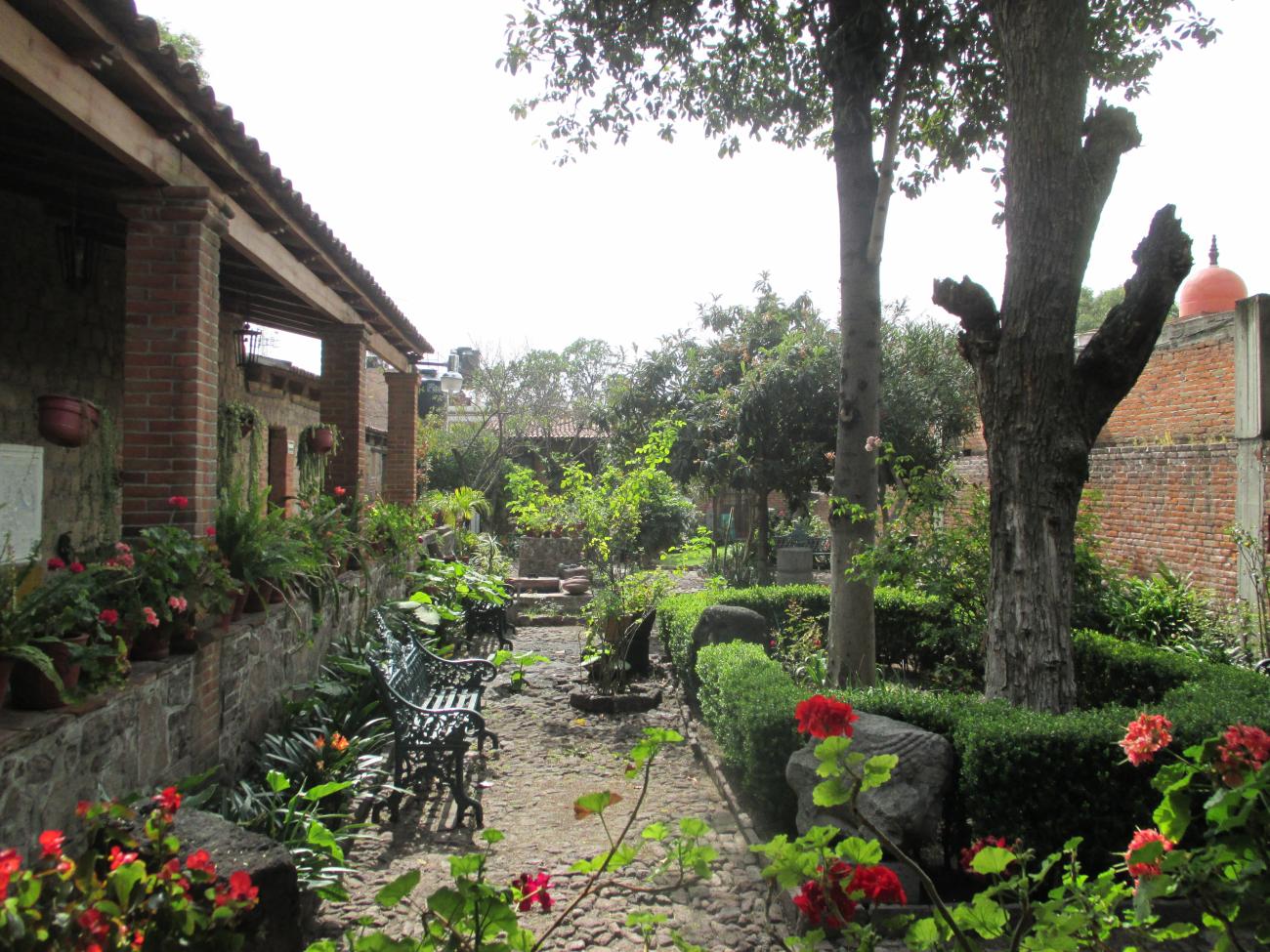
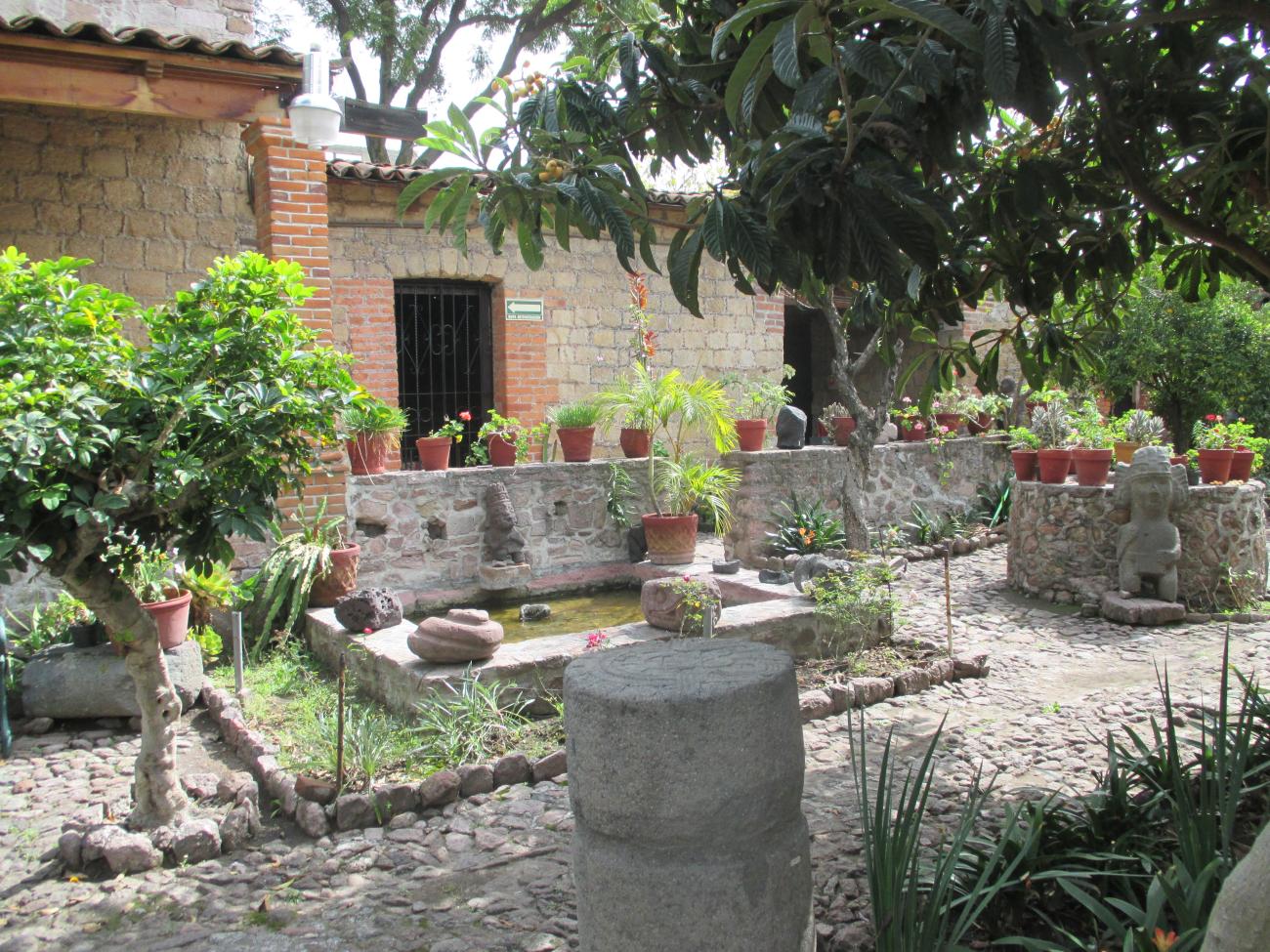
Museum Gardens
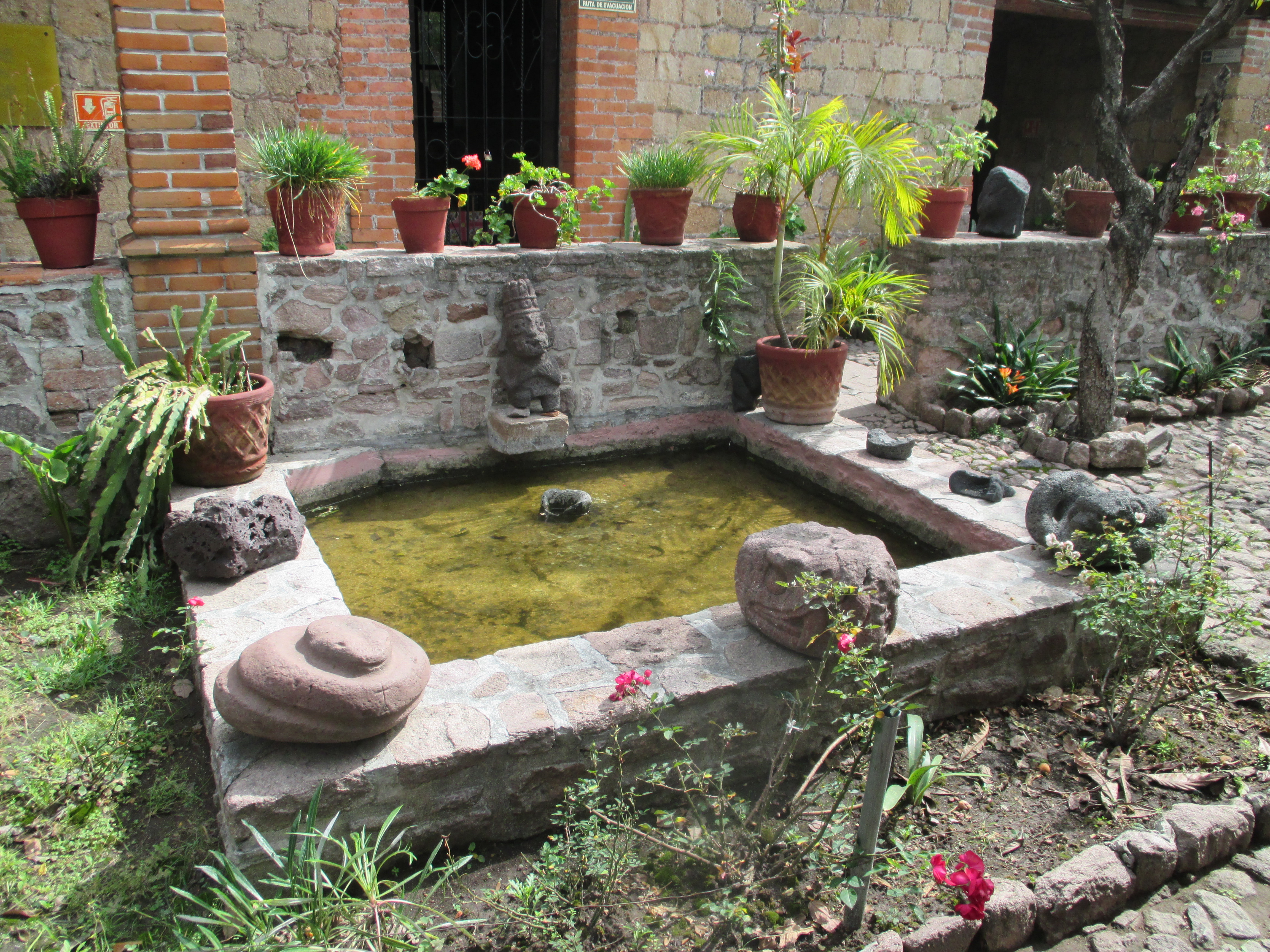
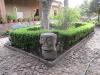
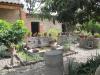
In the garden, there are pieces such as representations of shells, carved skulls, coiled snakes, among others.
- ResponsableMaría Olivia Torres Cabellomaria_torres@inah.gob.mx01 (722) 213 9581, ext. 198031